7 Best All Electric Injection Molding Machines in 2026
Performance, Energy Efficiency, and Automation Comparison
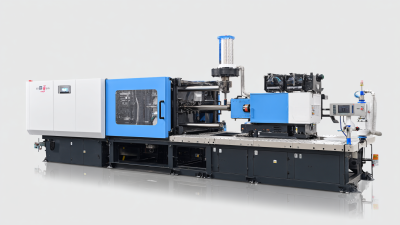
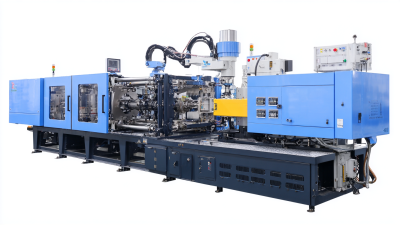
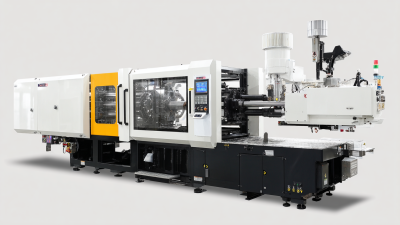
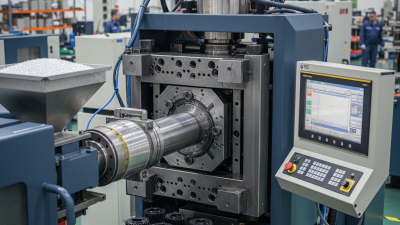
In 2026, the strongest all-electric injection molding machines are judged by repeatability, cycle speed, energy use, and control quality. Seven machine formats stand out: compact systems for small parts, high-speed models for thin walls, servo-driven units for general production, multi-material machines, vertical machines, cleanroom-ready systems, and large clamp models. Each option solves a different production problem. A fast cycle means little if cooling remains inconsistent.
All-electric drives deliver accurate position control and quieter operation. They also avoid hydraulic oil, which can simplify maintenance and reduce contamination risks. Energy savings depend on mold design, shot size, heating settings, and idle time. A poorly matched machine may consume more power than expected. Real production trials matter more than brochure figures. Measure kilowatt-hours per kilogram, cycle stability, reject rates, and recovery time across several shifts.
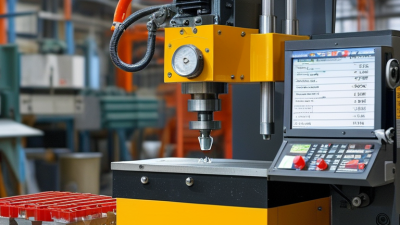
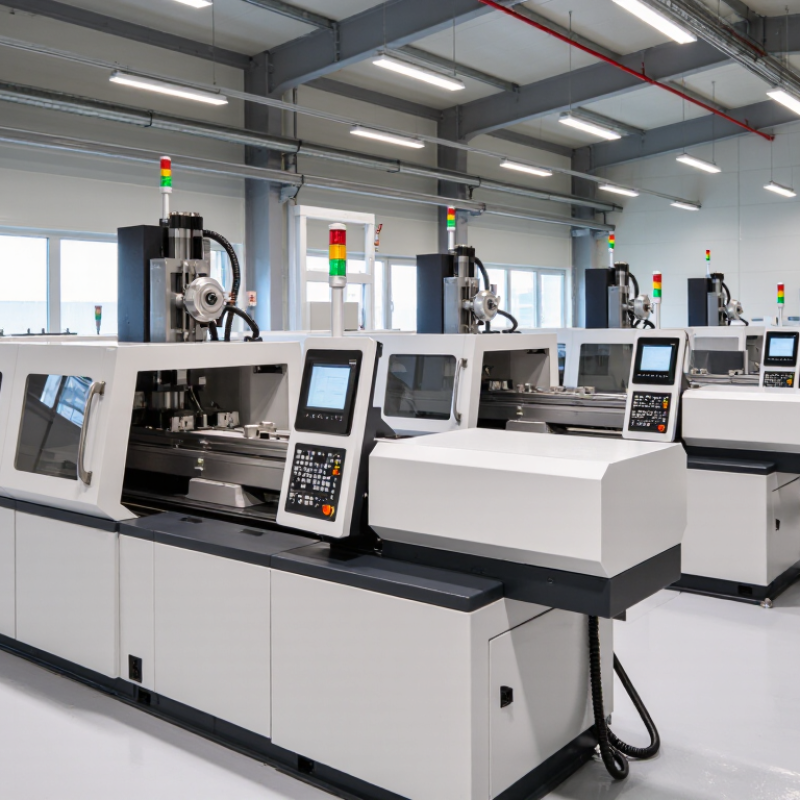
Tips: Compare machines using the same mold, resin, and cycle target. Check screw recovery during peak demand. Review automation signals before purchase. Robots, vision inspection, and predictive alarms can reduce labor, but integration quality varies. Leave space for safe access and future tooling changes. Small oversights become expensive later. A practical audit should include operator feedback, maintenance records, noise levels, and actual energy readings. Performance is not only speed; it is reliable output at a controlled cost.