What is the Asrs Shuttle System and How Does it Work?
The Asrs Shuttle System is a revolutionary approach to warehouse automation. It enhances efficiency and accuracy in material handling. This system uses automated shuttles to store and retrieve goods. Such innovation transforms ordinary storage into a highly optimized process.
With the ASRS Shuttle System, companies can significantly reduce labor costs. Automated systems remove many manual tasks traditionally performed by workers. This technology minimizes human error, ensuring more reliable inventory management. However, the reliance on automation raises questions about job displacement. Finding balance is essential in adopting such advanced systems.
The ASRS Shuttle System offers speed and precision. It can operate in tight spaces, maximizing storage potential. Users must consider initial investment costs and ongoing maintenance. As businesses adopt this technology, continuous evaluation will be necessary. The long-term benefits often outweigh challenges, but clarity on costs is important. Overall, this system represents a step forward in logistics and supply chain management.
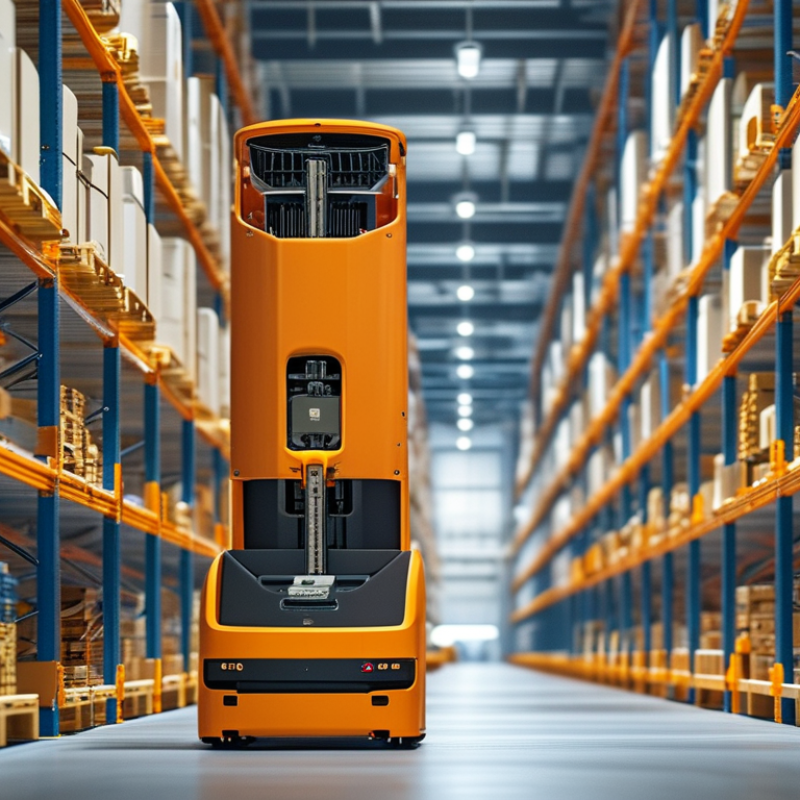
What is the ASRS Shuttle System?
The ASRS (Automated Storage and Retrieval System) Shuttle System is an advanced logistics solution designed to streamline warehousing operations. Its core function revolves around automation, enabling rapid movement of goods with minimal human intervention. As per industry reports, companies that adopt ASRS experience efficiency gains of up to 30% in their operations. This transformation is vital as businesses continually face pressures to reduce costs and increase throughput.
The Shuttle System operates on a grid structure, where autonomous shuttles transport goods between storage locations and picking stations. This design not only maximizes space utilization but also minimizes travel time for retrieval tasks. According to a study from the Warehousing Education and Research Council (WERC), implementing an ASRS can lead to a reduction in labor costs by approximately 15%, though initial installation and operational adjustments can pose challenges.
While the benefits of the ASRS Shuttle System are clear, some issues merit reflection. Integration with existing systems may require significant reconfiguration. The technology is also susceptible to mechanical failures, leading to downtime. Companies must weigh these risks against potential productivity enhancements to make informed decisions. Balancing automation with operational resilience continues to be a critical consideration for many organizations in the fast-evolving logistics landscape.
Components of the ASRS Shuttle System
The ASRS (Automated Storage and Retrieval System) Shuttle System is an innovative solution for warehouses and distribution centers. This system comprises several key components that enhance efficiency and streamline operations. The primary components include shuttles, racks, control software, and storage bins. Each shuttle is designed to move autonomously within the storage area, picking and placing items with remarkable speed.
Shuttles operate on an intricate network of tracks. They navigate seamlessly, minimizing the time required for item retrieval. The integration of control software ensures that every shuttle communicates effectively, optimizing inventory management. This compact design allows for high-density storage, saving valuable floor space. Industry studies show that ASRS can improve storage density by up to 60%, significantly increasing operational efficiency.
Tips: Regular maintenance of the shuttles is essential. It helps prevent unexpected downtime. Training staff to troubleshoot basic issues can enhance the system's reliability.
Data indicates that over 75% of warehouses implementing ASRS experiences a reduction in labor costs. Each component's interdependence is crucial; if one fails, it may disrupt the entire system. Careful analysis of workflow requirements is necessary to prevent potential bottlenecks. Continuous evaluation provides insights into improvements, ensuring the ASRS Shuttle System remains effective.
ASRS Shuttle System Component Analysis
How the ASRS Shuttle System Operates
The ASRS Shuttle System is a highly efficient solution for automating storage and retrieval processes in warehouses. It utilizes a series of shuttles that navigate through racks to pick up and store items. This system is designed to maximize space and increase retrieval speed. Each shuttle operates independently, allowing for simultaneous operations. As a result, it can handle a high volume of inventory without overwhelming the system.
When the ASRS Shuttle is activated, goods are loaded onto the shuttles at designated entry points. These shuttles are then directed to specific storage locations. The use of sophisticated software ensures that each item is placed accurately. Operators can monitor the process in real-time, providing a level of transparency. However, some challenges do arise, such as potential software glitches or mechanical failures that can disrupt the workflow.
In operation, the ASRS Shuttle System illustrates the balance between technology and human oversight. Although automated systems enhance efficiency, reliance on technology can lead to vulnerabilities. Regular maintenance and updates are essential to keep the system running optimally. This ongoing need for human intervention raises questions about the extent of automation in logistics.
What is the ASRS Shuttle System and How Does it Work?
| Feature | Description | Benefits |
| Automated Storage | A system that automates the storage and retrieval of goods using shuttles. | Increases efficiency and reduces labor costs. |
| Shuttle Operation | Shuttles transport products to and from storage locations. | Minimizes travel time and maximizes warehouse space usage. |
| Real-time Inventory Management | Integrates with warehouse management systems for real-time tracking. | Enhances accuracy and reduces stock discrepancies. |
| Scalability | Can be expanded or modified to meet changing business needs. | Supports business growth without significant overhauls. |
| Safety Features | Includes safety sensors and automated shutdown protocols. | Reduces the risk of workplace accidents and injuries. |
Advantages of Implementing ASRS Shuttle System
The Automated Storage and Retrieval System (ASRS) shuttle system is gaining momentum in various industries. One of its main advantages is the efficient use of space. According to a report by the Warehouse Education and Research Council (WERC), implementing ASRS can increase storage capacity by up to 50%. Companies can utilize vertical space better, maximizing their warehouse's footprint while reducing operational costs.
Speed is another significant benefit. ASRS shuttle systems can improve item retrieval time by 60%, as highlighted in a study by the Material Handling Industry of America (MHIA). This is crucial for businesses that rely on quick order fulfillment. Such systems streamline workflows, enabling faster response to customer demands.
However, there are challenges to consider. Initial investment costs can be high, which may deter smaller companies. Additionally, integration with existing systems may require careful planning. The need for skilled personnel to manage these systems is also a factor. Companies must evaluate their specific needs before proceeding. Balancing these advantages and challenges is essential for successful implementation.
Applications of the ASRS Shuttle System in Industries
The ASRS (Automated Storage and Retrieval System) shuttle system has become vital in various industries. Its efficiency in managing inventory can significantly enhance operations. Warehouses and manufacturing facilities utilize shuttle systems to optimize space and streamline processes. These systems are designed to automatically store and retrieve goods without human intervention.
In logistics, the ASRS shuttle system minimizes the time needed for order fulfillment. It can handle multiple SKUs simultaneously, reducing bottlenecks. Its modular design allows for scalability, accommodating fluctuating demands. However, integrating such a system requires careful planning. Professionals must assess existing workflows to ensure the ASRS adapts smoothly.
Retailers also benefit from this technology. The ability to quickly access products improves customer satisfaction. It enables faster delivery times and greater accuracy in picking orders. Yet, companies should consider maintenance and training needs. Regular checks are essential to avoid downtime. Adopting ASRS technology raises questions about balance between automation and human oversight.