Top 10 Benefits of Using a Small Molding Machine for Your Business
In today's fast-paced manufacturing landscape, the small molding machine has emerged as a vital asset for businesses aiming to optimize their operations. These machines offer numerous benefits, from enhancing production efficiency to reducing operational costs. For small and medium enterprises, investing in a small molding machine can be a game-changer. The compact design allows for versatility, making it suitable for various applications.
Moreover, using a small molding machine can lead to better quality control. With precise settings and controls, manufacturers can produce high-quality products consistently. However, it's important to acknowledge that not every machine fits every business. Aligning your specific needs with machine capabilities requires careful consideration.
Exploring the advantages of a small molding machine reveals opportunities for growth and improvement. The potential for increased productivity and minimized waste is significant. But businesses must stay informed about technology advancements and market trends to make the best choices.
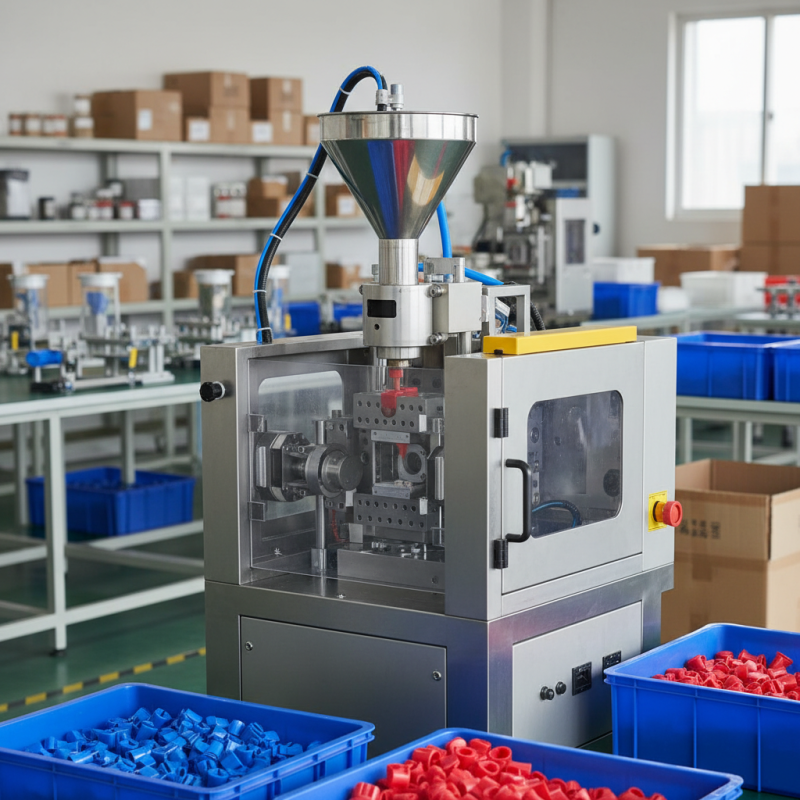
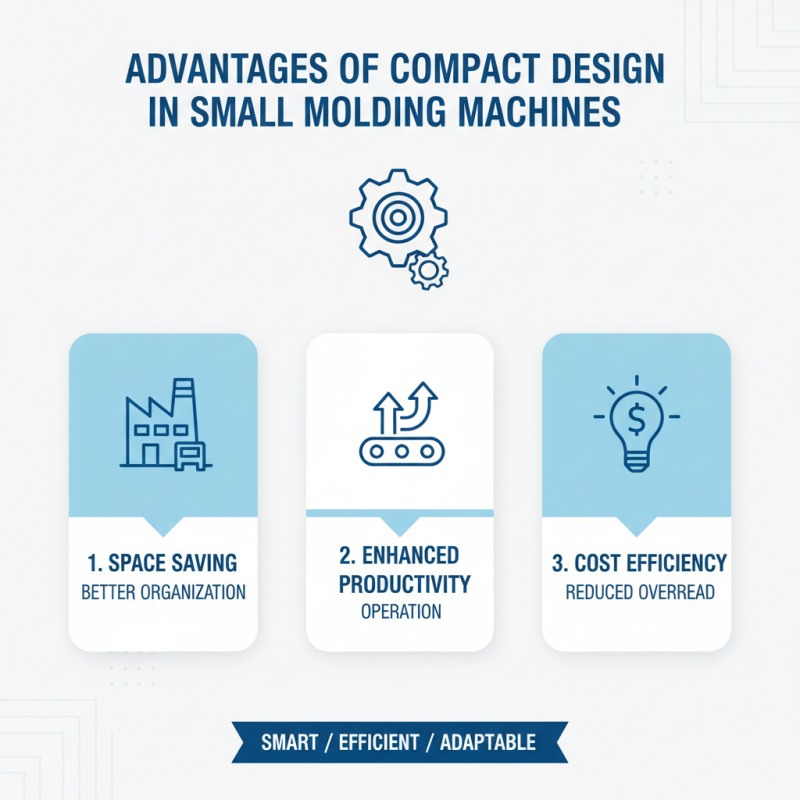
Advantages of Compact Design in Small Molding Machines
Small molding machines are gaining popularity in various industries. Their compact design offers numerous advantages that enhance productivity and efficiency. One key benefit is space-saving. In a crowded workspace, a smaller machine allows for better organization. This leads to a more streamlined operation.
Another advantage of compact machines is their cost-effectiveness. Small molding machines generally require less energy to operate. This results in lower utility bills, helping businesses save money in the long run. Additionally, they often have lower upfront costs, making them accessible for startups and small enterprises.
**Tip:** When choosing a machine, consider its capacity. Ensure it meets your production needs without excessive waste.
Furthermore, compact molding machines can be easier to operate and maintain. Their straightforward design typically requires less specialized training. This means that employees may adapt more quickly, reducing downtime. However, the trade-off might be in the machine’s capabilities. Some small machines may not handle high-volume production efficiently.
**Tip:** Regular maintenance checks are vital. They help ensure the longevity and reliability of the machine.
Ultimately, compact design in molding machines blends efficiency with practicality. As businesses evolve, opting for smaller machines may prove beneficial in various ways.
Enhanced Production Efficiency with Small Molding Machines
Small molding machines have revolutionized production efficiency in many businesses. They provide compact solutions without compromising on output. These machines are ideal for small batches, reducing the need for extensive tooling. In turn, this leads to faster turnaround times and increased flexibility in production schedules.
Tips: When configuring your small molding setup, consider your workspace. Ensure adequate ventilation and maintain a clean area. This not only enhances safety but also boosts machine longevity. Regular maintenance checks can prevent small issues from escalating.
Small molding machines can adapt to various materials. This versatility allows businesses to innovate quickly. However, it’s vital to choose materials carefully to maximize quality. Experimenting with different molds can reveal significant insights into efficiency. Assessing which designs yield better results may require multiple trials. Embrace the learning curve as essential for growth.
Top 10 Benefits of Using a Small Molding Machine for Your Business
Cost-Effectiveness of Utilizing a Small Molding Machine
Small molding machines offer a cost-effective solution for businesses seeking efficiency. These machines require less initial investment compared to larger models. This lower cost makes them accessible to startups and smaller operations. Moreover, they consume less energy, reducing operational costs significantly over time. Maintenance is often simpler and cheaper, further enhancing their appeal.
Efficiency is key. Small molding machines can produce high-quality parts quickly. Short production runs become feasible, allowing for greater flexibility. This adaptability helps businesses respond to market demands swiftly. However, investing in small machinery may lead some to overlook scaling. A machine's limitations could affect production capacity in the long run. Balancing immediate cost savings with future growth potential is essential.
Businesses should remain conscious of their current needs. Utilizing a small molding machine now doesn't preclude future expansion. A detailed assessment often reveals the best course of action. Many companies find comfort in a smaller machine's ease of use. This simplicity fosters innovation but also invites reflection on whether it's the best long-term choice.
Top 10 Benefits of Using a Small Molding Machine for Your Business
| Benefit |
Description |
Cost Savings (Estimated %) |
| Reduced Material Waste |
Smaller machines use less raw material, leading to less waste. |
15% |
| Lower Initial Investment |
Small molding machines are typically less expensive to purchase. |
20% |
| Energy Efficiency |
Smaller machines consume less energy, lowering utility bills. |
10% |
| Flexibility in Production |
Easily switch between different molds for various products. |
N/A |
| Space Efficiency |
Smaller footprint allows for better utilization of workspace. |
N/A |
| Faster Turnaround Times |
Small machines can operate more quickly in smaller batches. |
15% |
| Customization Opportunities |
Easier to create customized molds for niche markets. |
N/A |
| Less Complex Maintenance |
Smaller machines often require less maintenance effort. |
10% |
| Improved Quality Control |
Easier to monitor and adjust settings for quality outputs. |
8% |
| Scalability |
Easily add more machines as business scales up. |
N/A |
Versatility in Applications of Small Molding Machines for Businesses
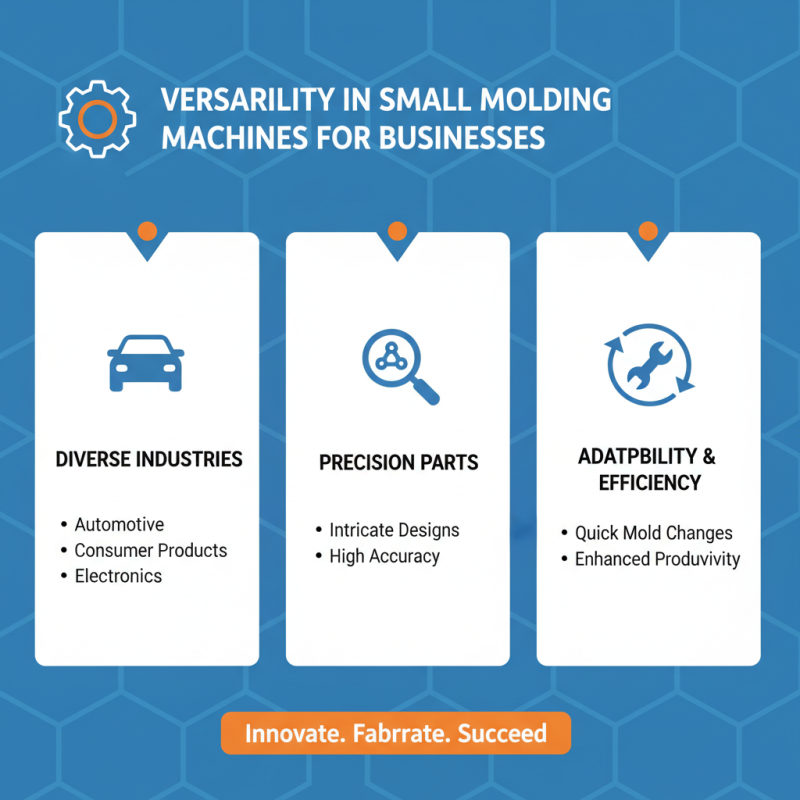
Small molding machines offer remarkable versatility for businesses. They cater to diverse industries, including automotive, consumer products, and electronics. These machines can produce intricate parts with high precision, making them valuable in various applications. Companies often leverage their adaptability to switch between different molds quickly, leading to enhanced productivity.
When considering small molding machines, it's crucial to identify your specific needs. Do you require frequent changes in production? These machines can accommodate that. However, not every machine suits every operation. Evaluate the complexity of parts that you need to create.
Tips for success: Start with clear designs. This clarity will minimize errors during the molding process. Test different materials to find what works best with your machine. Pay attention to maintenance schedules. Regular upkeep ensures longevity and consistent performance. If performance dips, reflect on possible causes, such as mold wear or material inconsistencies. You may need to adjust settings or even rethink your production strategy to optimize efficiency.
Improved Quality Control in Manufacturing with Small Molding Machines
In the manufacturing sector, small molding machines offer significant advantages, particularly regarding quality control. These machines allow for precision and accuracy in producing parts. With their compact design, they can be easily integrated into existing workflows. This integration helps in minimizing errors that often occur with larger machines. Teams can quickly adjust settings, leading to improved consistency across batches.
The flexibility of small molding machines is another advantage. They can handle diverse materials and adapt to various production needs. This versatility enables manufacturers to respond promptly to market demands. However, reliance on technology can sometimes introduce new challenges. Operators need adequate training to maximize efficiency and prevent mistakes. Investing in this training can yield substantial quality improvements.
Moreover, small molding machines facilitate regular monitoring of production processes. Real-time data collection allows for immediate adjustments. This capability can save time and reduce waste. Nevertheless, companies must remain vigilant about potential oversights in data interpretation. Constant reflection on processes can help tighten quality control measures and boost overall productivity in the long run.