Best Greenhouse LED Light Options for Optimal Plant Growth?
When it comes to optimizing plant growth in a greenhouse, choosing the right lighting is crucial. One of the best options available today is the Greenhouse LED Light. These lights provide a spectrum specifically tailored to plant needs. They ensure adequate photosynthesis and promote healthy growth.
LED technology has advanced significantly in recent years. It offers energy efficiency and longevity, making it a reliable choice. However, not all Greenhouse LED Lights are created equal. Some may not emit the full spectrum needed for optimal growth. It’s important to evaluate different options carefully. Factors like intensity, coverage, and energy consumption play vital roles.
In the quest for the best lighting solution, it is essential to consider both benefits and limitations. Not every plant thrives under the same light conditions. Some growers might overlook specific needs and find themselves disappointed. Therefore, understanding your plants' requirements and researching lighting options is key. The right Greenhouse LED Light could transform your gardening experience.
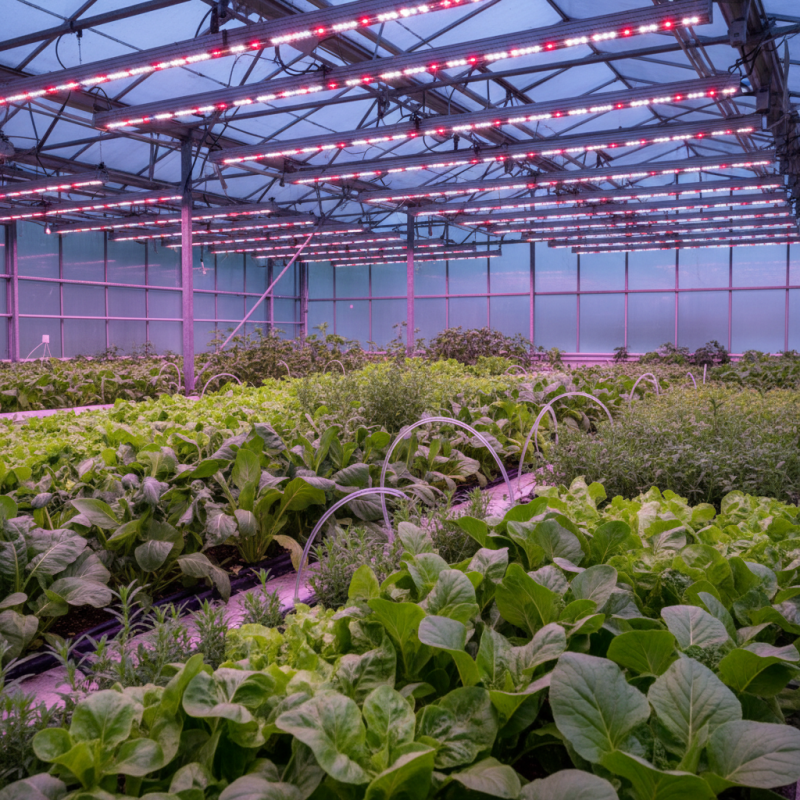
Types of LED Grow Lights for Greenhouses
When selecting LED grow lights for greenhouses, understanding the types available is crucial for optimal plant growth. Full-spectrum LED lights are popular because they mimic sunlight. These lights promote all stages of plant development. Another option is red and blue spectrum lights. Red promotes flowering, while blue is essential for vegetative growth.
Tips: Consider the size of your greenhouse when choosing lights. Larger spaces may require multiple units. Also, reflect on your plant types. Different plants have unique light needs. Adjusting light height can help optimize growth.
A less common choice is UV LED lights. They can enhance flavor and increase resin production. However, these lights should be used with caution. Overexposure can stress plants. Monitor your plants closely to avoid this problem. Each type of LED light has advantages and drawbacks. Finding the right balance is key.
Best Greenhouse LED Light Options for Optimal Plant Growth
| Type of LED Grow Light | Light Spectrum | Wattage | Coverage Area (sq ft) | Lifespan (hours) | Price Range |
| Full Spectrum LED | 4000K - 7000K | 100W | 4 | 50,000 | $80 - $150 |
| Red/Blue LED | Red: 660nm, Blue: 450nm | 150W | 6 | 50,000 | $60 - $120 |
| LED Grow Panel | Full Spectrum | 300W | 8 | 50,000 | $120 - $250 |
| Cree LED Lights | Full Spectrum | 200W | 5 | 100,000 | $150 - $300 |
| High Bay LED | Full Spectrum | 400W | 10 | 50,000 | $200 - $400 |
Key Features to Consider for Optimal Plant Growth
When selecting LED lights for your greenhouse, consider essential features to achieve optimal plant growth. A full-spectrum light replicates sunlight. It boosts photosynthesis, ensuring plants thrive indoors. Look for lights that emit a balanced spectrum. This includes red and blue wavelengths. These are crucial for flowering and vegetative growth phases.
Another important factor is the intensity of the light. Plants have different light needs depending on their growth stage. Seedlings require lower light levels compared to mature plants. Properly adjusting light intensity can minimize stress and promote healthy development. Brightness also impacts energy consumption. High-intensity lights consume more energy but may yield better results.
Heat management plays a significant role in greenhouse lighting. Some LED lights can generate excessive heat, which can harm plants. Ensure your setup includes cooling systems or air circulation. This maintains an ideal temperature. Reflect on your choices; investing in quality options could save you headaches later. The right lighting setup may take time and adjustments to optimize. However, the rewards in plant health and yield are worth the effort.
Comparative Analysis of Popular Greenhouse LED Light Brands
In the rapidly evolving world of greenhouse cultivation, selecting the right LED lights is crucial for maximizing plant growth. There are countless brands available, each claiming superiority. However, a closer analysis reveals differences in quality, spectrum, and efficiency. Some lights excel in delivering full-spectrum light, crucial for photosynthesis, while others may lack specific wavelengths needed for flowering or fruiting.
When evaluating popular LED brands, efficiency is a significant factor. Many lights boast energy savings, but not all maintain consistent output over time. Some may flicker or dim, impacting plant health. It's essential to research customer experiences and expert reviews. This approach ensures decisions are based on facts rather than marketing hype.
Different brands also vary in their heat output. Poor heat management can raise greenhouse temperatures, affecting plants negatively. Cooling systems in some models work well, yet others may lead to overheating. It’s a balancing act of light intensity and heat control that needs careful consideration. Evaluating user feedback and detailed specifications can unveil hidden weaknesses among seemingly reliable products.
Best Greenhouse LED Light Options for Optimal Plant Growth
Best Practices for Positioning LED Lights in Greenhouses
Positioning LED lights effectively in a greenhouse is essential for promoting optimal plant growth. Start by considering the height of your plants. Adjust the height of the lights to ensure the correct intensity reaches all areas. A distance of 12 to 24 inches above the plants usually works well. This distance allows uniform light distribution without causing leaf burn. Monitor plant response and adjust if necessary.
Another important factor is light duration. Plants require varying photoperiods based on species. Most enjoy 12 to 16 hours of light daily, but some may need less. Use a timer to maintain consistency. This reduces human error and ensures that plants receive the right amount of light every day.
Don’t forget to consider the angle of the lights. An optimal angle can enhance light penetration into the plant canopy. Experimenting with angles can yield surprising benefits. Additionally, keep a close eye on any changes. Noticing growth patterns will help refine your approach. Even small changes can sometimes lead to significant improvement.
Adjusting Light Spectrum and Intensity for Different Plant Stages
When it comes to plant growth, light spectrum and intensity play a critical role. Different plants have unique light needs at various growth stages. Seedlings require softer, more focused light, while mature plants thrive under intense, broader spectrums. Adjusting these elements can lead to noticeable changes in growth rates and overall health.
Understanding the photosynthesis process helps in choosing the right spectrum. Plants absorb red and blue wavelengths most effectively. Therefore, LED lights that emit in these ranges can enhance growth cycles. It's important to monitor how your plants respond. Some might flourish while others can show distress with too much intensity. Observing their behavior is key.
Balancing light duration is another aspect to consider. Most plants benefit from around 12 to 16 hours of light daily. However, some may require less. Experimenting with duration can help you find what works best. A slightly too long exposure can lead to stress, making adjustments essential for optimal growth. Consistent monitoring and tweaking will yield the best results in a greenhouse.