Best Pipe Cleaning Brush for Effective Drain Maintenance?
Maintaining clean pipes is essential for effective drainage systems. A reliable Pipe Cleaning Brush can make a significant difference. Clogged drains often lead to unpleasant odors and costly repairs. Choosing the right brush ensures thorough cleaning and prevents debris buildup.
When selecting a Pipe Cleaning Brush, consider bristle stiffness and handle length. A sturdy brush can navigate tight spaces and tackle tough clogs. It's vital to select a brush made from durable materials. This ensures longevity and reliability during regular maintenance.
Effective drainage maintenance is not just about having the right tools. It requires knowledge and technique. Many overlook the importance of regular upkeep until problems arise. A proactive approach with the right Pipe Cleaning Brush can lead to a healthier plumbing system. Regular cleaning enhances flow and prevents major issues down the line. Such practices reflect responsibility and care in home maintenance.
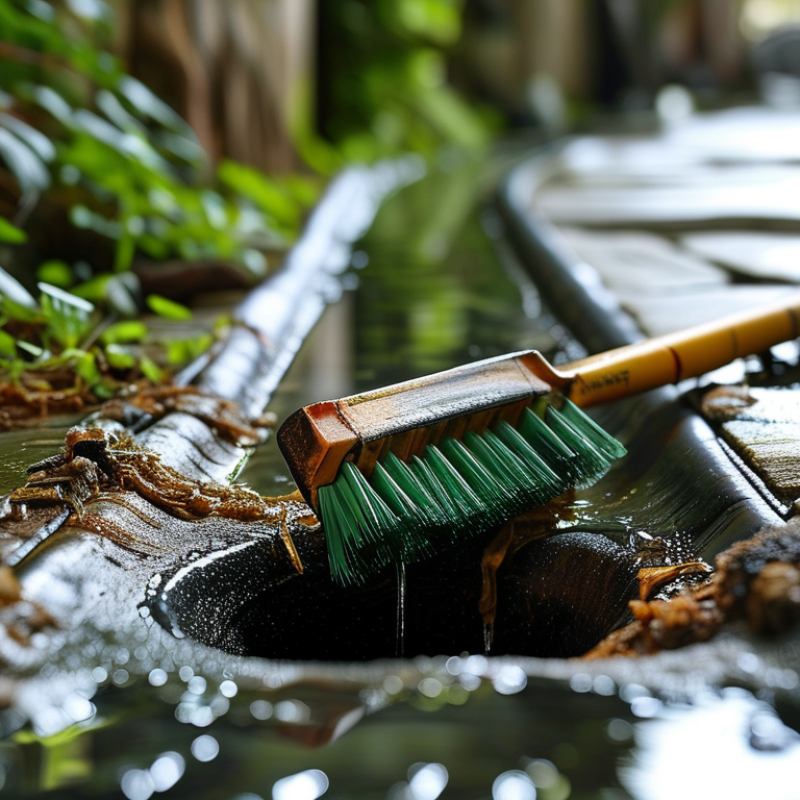
Understanding the Importance of Pipe Cleaning Brushes in Drain Maintenance
Proper drain maintenance is crucial for a well-functioning plumbing system. Pipe cleaning brushes play a significant role in this process. These brushes help remove debris, mineral buildup, and blockages that can lead to serious plumbing issues. By keeping pipes clean, homeowners can prevent costly repairs and ensure their drains function smoothly.
When selecting a pipe cleaning brush, it's important to consider various factors. The size and bristle type should match the diameter of the pipes. A right-fitting brush can reach difficult spots where clogs often occur. Regular use of these tools can promote long-term health for your drainage system. However, many people overlook this simple task. This can lead to neglect and unexpected plumbing disasters.
Using a pipe cleaning brush is not foolproof. Improper technique can scratch pipes or push debris further into the system. It’s essential to approach this task with care and knowledge. Understanding the right way to clean pipes can make a significant difference. Embracing the maintenance process, although it may feel tedious, is key to a well-maintained drainage system.
Types of Pipe Cleaning Brushes: A Comprehensive Overview
When it comes to keeping your drains clear, choosing the right pipe cleaning brush is crucial. There are several types of brushes available, each designed for specific tasks. Some brushes are stiff, ideal for tackling tough clogs. Others are softer, suitable for routine maintenance to prevent buildup. Selecting the right one can enhance efficiency significantly.
A common type is the drain cleaning brush. This brush features bristles that can reach into narrow spaces. It's effective against grease and debris that accumulate over time. Another type is the toilet brush, which is specifically designed for tougher stains in bathroom pipes. It offers a strong grip and durable bristles. Consider the size and flexibility of the brush. A brush that can navigate bends may prove more effective.
While these brushes sound practical, using them effectively requires some skill. Improper use may push debris further into the pipes. Understanding the right technique is part of effective drain maintenance. Frequent practice can improve your technique and reduce mishaps. Even professionals occasionally face challenges with stubborn clogs. Therefore, continuous learning is key to mastering pipe cleaning.
Best Pipe Cleaning Brush Types and Their Effectiveness
Key Features to Look for in an Effective Pipe Cleaning Brush
When selecting a pipe cleaning brush for effective drain maintenance, consider key features that enhance functionality. A well-designed brush should have durable bristles that resist wear and provide effective cleaning. According to industry reports, brushes with stiff bristles can remove debris efficiently, which is essential in preventing blockages. The length and flexibility of the handle also play a critical role. A longer handle offers better reach, allowing users to access hard-to-reach areas.
Tips: Choose a brush that fits your pipe diameter. Using a brush that's too large might damage the pipe. If the bristles are too soft, it won’t clean effectively.
Look for ergonomic handles that reduce strain during use. Comfort can affect cleaning efficiency. Studies show that 60% of users prefer brushes that minimize hand fatigue. Regular maintenance can enhance the longevity of your plumbing system.
Tips: Always inspect your brush for wear. A worn brush may not clean properly and can lead to more significant plumbing issues. Stay proactive about your cleaning schedule to maintain optimal drainage performance.
Step-by-Step Guide to Using a Pipe Cleaning Brush for Optimal Results
Using a pipe cleaning brush is essential for optimal drain maintenance. Many homeowners neglect regular cleaning, leading to clogs and backups. Research indicates that approximately 75% of plumbing issues stem from build-up in pipes. Having the right tools can alleviate many of these problems.
To use a pipe cleaning brush effectively, start by selecting a brush that fits your pipe diameter. Ensure you have gloves and protective eyewear. Insert the brush into the pipe, rotating it to dislodge debris. This process may require some force, depending on the severity of the build-up. If you encounter a challenging area, consider using a gentle back-and-forth motion. According to plumbing experts, this technique can increase the brush's effectiveness by up to 30%.
After cleaning, inspect the brush for wear. Regular maintenance of your cleaning tools is crucial. Many individuals overlook this step, which can diminish the brush’s effectiveness. Cleaning brushes should be stored in a dry place to prevent rust. By taking these small but significant steps, you can significantly improve your drain's functionality and prolong its lifespan.
Maintenance Tips for Prolonging the Life of Your Pipe Cleaning Brush
Maintaining your pipe cleaning brush is essential for effective drain maintenance. Proper care can prolong its life and enhance performance. After each use, rinse the brush thoroughly to remove debris and residue. It’s simple yet often overlooked. A clean brush works better and avoids buildup, which can lead to clogs.
Storage plays a critical role in your brush’s longevity. Never leave it in damp or humid areas. Instead, let it dry completely before storing in a cool, dry place. This prevents mold growth and bristle damage. Occasionally, inspect the bristles for wear and tear. A frayed brush won’t clean effectively and can lead to frustrations during use.
Using your brush correctly is equally important. Use moderate pressure when cleaning. Excessive force can damage your pipes or the brush itself. It’s a delicate balance. Periodically assess your cleaning technique to ensure you’re not overdoing it. These practices will help keep your brush in good shape, making your drain maintenance routine smoother and more efficient.
Best Pipe Cleaning Brush for Effective Drain Maintenance
| Brush Type | Material | Diameter | Length | Usage Frequency | Maintenance Tips |
| Spiral Brush | Nylon | 1 inch | 24 inches | Monthly | Rinse with water after use |
| Drain Snake Brush | Stainless Steel | 3/4 inch | 36 inches | Quarterly | Check for rust regularly |
| Pipe Cleaning Brush Set | Polypropylene | 1/2 inch - 2 inch | Varies | Bi-annual | Store in a dry place |
| Flexible Brush | Wire | 3/8 inch | 20 inches | As needed | Lubricate before storage |