How to Choose the Right Laboratory Sample Pulverizer?
Choosing the right laboratory sample pulverizer is critical for achieving reliable results. In 2022, the global laboratory equipment market was valued at over $51 billion. This reflects a growing demand for precise and efficient sample preparation tools, including pulverizers. Using the appropriate pulverizer can significantly enhance sample homogeneity and reduce contamination risks.
laboratory sample pulverizers vary in design and function. For instance, ball mills and disc mills serve different purposes based on sample type and desired particle size. According to a recent industry report, 75% of researchers prioritize particle size control when selecting a pulverizer. However, matching the pulverizer to specific materials or analytes can be challenging. Many professionals overlook this aspect, leading to unsatisfactory outcomes.
Errors in selection can also stem from misunderstanding sample properties. The physical nature of samples can greatly influence the choice of pulverizer. Factors like hardness, moisture content, and sample size yearn for careful consideration. Moreover, it is essential to reflect on the operational limitations of each pulverizer type. As advanced technologies evolve, determining the right equipment becomes a complex yet vital decision for laboratories aiming for top-tier analytical results.
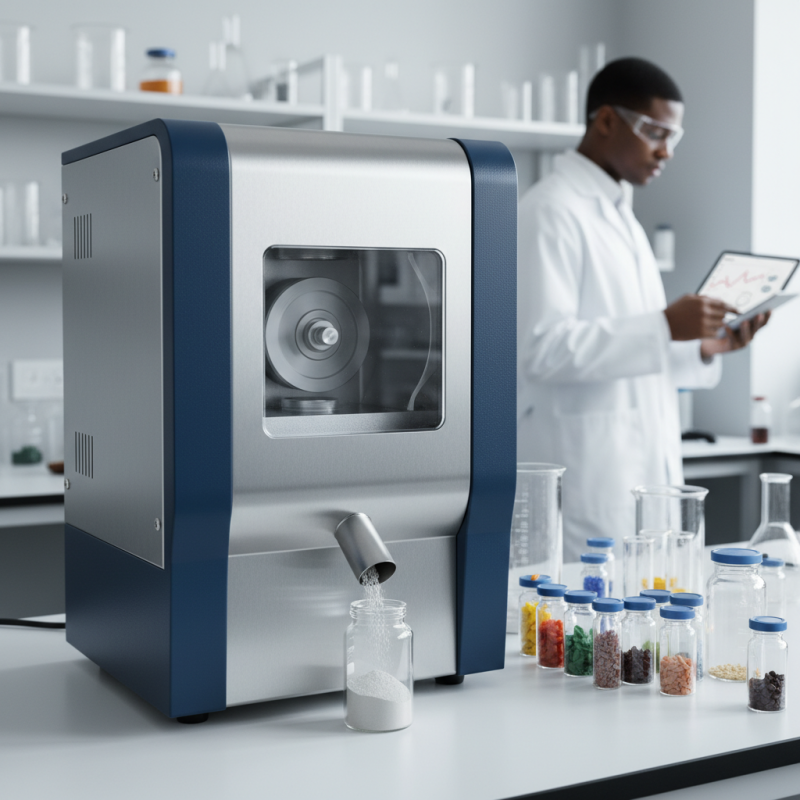
Understanding the Purpose of Laboratory Sample Pulverizers
Laboratory sample pulverizers play a vital role in material analysis. They help researchers prepare samples of various materials, such as soil, ores, or plastics. This is essential for experiments that require homogeneous powder. The right pulverizer ensures the integrity of samples during the grinding process.
When selecting a pulverizer, consider the intended use. Different materials require different approaches. Some may need fine particle sizes, while others are acceptable with coarser textures. Equipment that is too powerful might generate heat, which can alter material properties. Using the wrong settings can lead to inconsistent results.
Reflecting on the process, think about the ease of cleaning and maintenance. A pulverizer that is difficult to handle can waste time and resources. Moreover, even small design flaws can impact the data collected. It is essential to evaluate all options, keeping in mind the specific needs of your laboratory and experiments. Finding the right balance is necessary for effective sample preparation.
Key Features to Consider When Choosing a Pulverizer
Choosing the right laboratory sample pulverizer is crucial for accurate results. Key features can guide you in making the best decision. Consider the material type you will be working with. Different materials require different pulverizing strengths. For example, harder materials may need a more robust machine.
The size of the sample is another important factor. Some pulverizers handle larger samples better than others. Additionally, the desired particle size matters. If you need a fine powder, opt for a pulverizer with adjustable settings. This allows you to achieve specific granularity.
Power consumption can impact your operational costs. Evaluate the energy efficiency of potential pulverizers. Don’t overlook ease of use and maintenance as well. A complex machine can lead to operational issues. Regular upkeep is necessary to maintain performance. Sometimes, a simpler model may serve your needs better. Testing can reveal whether a machine actually meets your expectations. Ultimately, consider all these aspects carefully before making a choice.
Types of Laboratory Sample Pulverizers and Their Applications
Choosing the right laboratory sample pulverizer depends on various factors. Understanding the different types and their applications can significantly enhance your research efficiency. Laboratory sample pulverizers can be categorized into several types, including ball mills, disc mills, and hammer mills. Each type serves a unique purpose.
Ball mills are primarily used for grinding materials into fine powders. They work on the principle of impact and attrition, making them suitable for various applications. A 2022 industry report highlights that ball mills can produce particle sizes down to 1 micron.
Disc mills, on the other hand, are better for materials that require uniform size reduction. They can handle hard and brittle samples effectively, providing consistent results.
Hammer mills are often used for softer materials. They are versatile and can quickly reduce samples to finer particles.
Tips: When selecting a pulverizer, consider the material's hardness and desired particle size. Always check the maintenance requirements, as these can affect long-term use. Remember, even minor inconsistencies in sample preparation can lead to significant analysis errors. Take the time to reflect on your specific needs before making a decision.
Evaluating Performance and Efficiency of Pulverizers
Choosing the right laboratory sample pulverizer involves careful evaluation of its performance and efficiency. Various factors play a crucial role. Factors such as speed, particle size reduction, and material compatibility must be considered. A high-speed pulverizer may efficiently reduce samples quickly, but it might generate excess heat.
Efficiency isn't just about speed. A good pulverizer balances power with precision. A less powerful machine can produce finer samples, especially with harder materials. Not all pulverizers perform the same under varying conditions. Some users report uneven particle sizes, which can lead to inaccurate results. Testing different samples can reveal a device’s strengths and weaknesses.
Consider maintenance and wear. Frequent part replacements can hinder efficiency. A model that requires minimal upkeep can save time and money. Moreover, user feedback is essential. Reviews highlight real-world performance and potential limitations. Gathering this information helps make a more informed decision. Evaluating these elements ensures you choose a pulverizer tailored to your laboratory's specific needs.
Budgeting and Cost Considerations for Sample Pulverizers
When selecting a laboratory sample pulverizer, budgeting is essential. Prices vary significantly based on features and capabilities. Basic models may cost less, but advanced features often come at a premium. Consider what you need for your specific applications. Do you require high precision or speed? These factors can impact your budget.
Tips: Always set a budget before shopping. This helps narrow your choices. Look for models that provide good value. Spend time comparing features and costs. It’s easy to get sidetracked by flashy equipment. But practicality should guide your decision.
Keep in mind the long-term costs associated with maintenance and parts. Some pulverizers have hidden fees for replacements. A cheaper initial price could lead to higher costs down the line. Evaluate how often you will use the pulverizer. Heavy use can mean more wear and tear, increasing your expenses.
Tips: Research the manufacturer’s reputation for service. This can save money on repairs. Ask other users about their experiences. Feedback from peers can provide insights you might miss. Be open to revisiting your budget as you gain more understanding. Your needs may evolve, and flexibility can be essential.
How to Choose the Right Laboratory Sample Pulverizer? - Budgeting and Cost Considerations for Sample Pulverizers
| Pulverizer Type | Cost Range (USD) | Maintenance Costs (Annual) | Suitable Materials | Average Output (kg/h) |
| Ball Mill | $10,000 - $20,000 | $500 | Metals, Ores | 50 |
| Jaw Crusher | $8,000 - $15,000 | $400 | Rocks, Minerals | 30 |
| Hammer Mill | $6,000 - $12,000 | $300 | Grains, Biomass | 100 |
| Impact Mill | $12,000 - $25,000 | $600 | Resins, Plastics | 70 |
| Disc Mill | $7,000 - $14,000 | $350 | Seeds, Tofu | 40 |