How to Choose the Best Solar Panel Roof Mount for Your Home?
Choosing the right solar panel roof mount for your home is crucial. It can impact both efficiency and longevity. A well-chosen mount ensures your solar panels receive optimal sunlight exposure. There are various options, each with unique benefits and challenges. Understanding your roof type and local climate can guide your choice.
Consider factors like durability and installation ease. Some mounts may seem simple but may require more effort during installation. Also, reflect on your future needs. Changing family dynamics or energy consumption can affect your solar energy goals. Balance immediate requirements with long-term vision.
Additionally, it's wise to seek expert opinions. Professional installers can offer insights tailored to your situation. Online reviews and personal experiences can provide valuable perspectives. Remember that the best solar panel roof mount is not one-size-fits-all. Ensure your choice aligns with your specific conditions and needs.
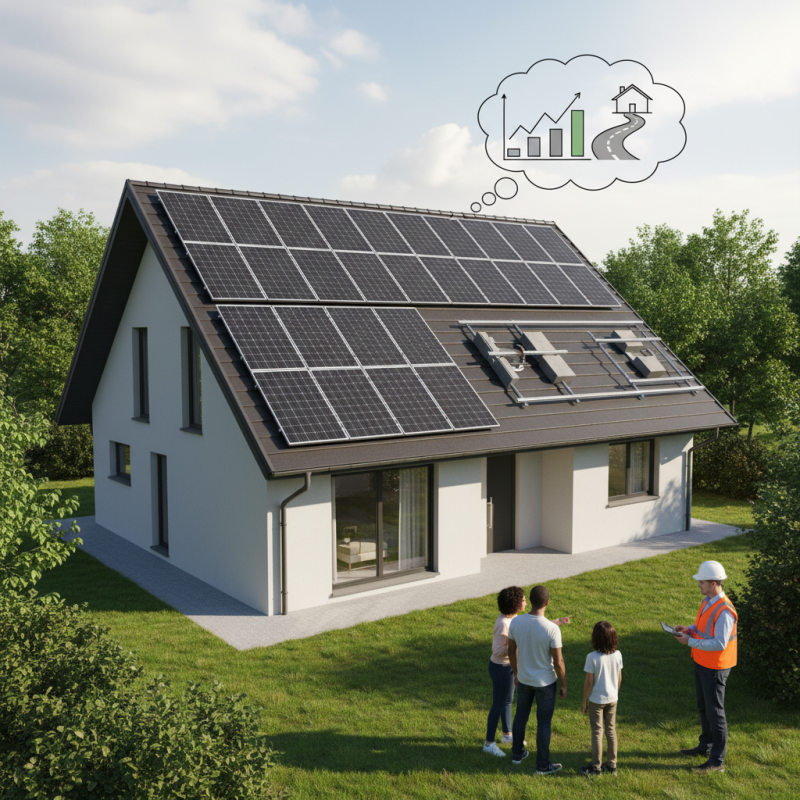
Factors to Consider When Selecting Solar Panel Roof Mounts
When selecting solar panel roof mounts, several factors can significantly influence your decision. The angle of your roof is critical. Mounts should accommodate the roof's pitch to maximize sunlight exposure. A flat roof may need a tilted mount, while steep roofs may require adjustable options. Pay attention to your local climate as well. Weather conditions can affect the durability and effectiveness of the mounts.
Material quality plays a vital role in longevity. Aluminum is lightweight and resists corrosion. Steel, while more robust, can be prone to rust without proper coatings. Ensure the mount is compatible with various roofing materials, like shingles or metal panels. Local building codes should not be overlooked; they can dictate specific requirements for installations.
Reflection on these factors is essential. A seemingly perfect mount might not suit your home's unique needs. Testing different configurations can help pinpoint the optimal setup for your energy goals. Take time to consult with professionals in the field. Their insights can uncover details that may otherwise be overlooked.
Types of Solar Panel Roof Mounts: Fixed, Adjustable, and Tracking Systems
When considering solar panel roof mounts, it's essential to understand the different types available. Fixed mounts are the most common and easiest to install. They hold the panels at a specific angle for maximum sun exposure. This simplicity comes with a trade-off; fixed mounts may not capture the optimal sunlight year-round. Changing seasons can affect efficiency, reflecting a potential need for alternatives.
Adjustable mounts offer a solution to seasonal changes. These systems can tilt and rotate, allowing for better sunlight capture. Homeowners can adjust the angle based on the sun's position. However, their complexity can lead to a higher installation cost. The question remains: is the added efficiency worth the investment?
Tracking systems take solar panel mounting to the next level. They move in real-time, following the sun across the sky. This maximizes energy capture throughout the day. While they provide excellent efficiency, tracking systems often come with increased maintenance needs. Homeowners might find themselves balancing the benefits of higher energy yield with potential upkeep challenges. Each type of mount has its place, and personal needs will guide the decision.
How to Choose the Best Solar Panel Roof Mount for Your Home?
| Mount Type | Description | Advantages | Disadvantages | Cost Estimate |
| Fixed Mounts | Static mounts that are installed at a predetermined angle. | Cost-effective and low-maintenance. | Limited in optimizing solar capture throughout the day. | $100 - $300 per panel |
| Adjustable Mounts | Mounts that can be manually adjusted for optimal angle according to seasons. | Improved energy capture compared to fixed mounts. | Requires manual adjustments, increased labor. | $200 - $500 per panel |
| Tracking Systems | Automatically track the sun’s movement throughout the day. | Maximizes solar energy capture and efficiency. | Higher initial cost and maintenance needs. | $500 - $1,500 per panel |
Evaluating Roof Compatibility for Solar Panel Installation
When considering solar panel installation, evaluating roof compatibility is crucial. Your roof's structure, angle, and surface material significantly affect both performance and durability. A flat roof can be suitable but may require additional mounting systems. On the other hand, pitched roofs need careful assessment to ensure optimal sun exposure.
Check the roof’s condition before installation. Damaged shingles or weak structures must be repaired first. It's vital to ensure that your roof can support the added weight of solar panels. Assess if your roof receives enough sunlight during peak hours too. Areas shaded by trees or nearby buildings can hinder energy production.
Consider the orientation of your roof as well. South-facing roofs typically generate the most energy. Nonetheless, east- and west-facing roofs can still work, but efficiency may vary. Think about future changes too. New construction or landscaping might affect sunlight access down the line. Evaluating these factors ensures you make an informed decision about solar panel roof mounting.
Solar Panel Roof Mount Compatibility Evaluation
Understanding Local Regulations and Permitting for Solar Roof Mounts
When selecting a solar panel roof mount, understanding local regulations is crucial. Each jurisdiction has specific codes that govern solar installations. For instance, in California, building codes require solar panels to withstand high wind speeds. This ensures safety and structural integrity.
Permitting processes can vary significantly. In some areas, homeowners may face a weeks-long wait for approval. In contrast, others offer streamlined processes. A recent study found that nearly 30% of solar projects encounter permitting delays. These delays can increase costs and extend timelines. Understanding your local rules can help avoid unexpected hurdles.
Engaging with local authorities early in the planning phase is wise. This can help clarify requirements and potential roadblocks. Additionally, consult with professionals who are familiar with the regulations. Experts recommend documenting all communications with agencies. This ensures better compliance and may prevent future issues. Knowing these details empowers homeowners, making the transition to solar smoother.
Cost Analysis: Budgeting for Solar Panel Roof Mount Systems
When budgeting for a solar panel roof mount system, several factors come into play. The initial cost can vary widely, typically ranging from $10,000 to $30,000 for a complete installation. According to the Solar Energy Industries Association (SEIA), installation costs have dropped about 20% in recent years. However, these savings depend on local incentives and available rebates. Evaluating your local market is essential.
Next, consider the long-term savings. Homeowners can save an average of $1,500 to $2,500 annually on electricity bills. According to EnergySage, the average payback period for solar installations ranges from 6 to 12 years. Still, this can vary based on energy usage and local rates. Understanding your consumption and projecting future energy prices can provide clarity.
In addition, anticipate the maintenance costs. Although solar panels require minimal upkeep, occasional cleaning and inspections will be necessary. Some experts suggest setting aside about $300 to $500 annually for maintenance. It’s essential to reflect on these aspects before making a commitment. A well-rounded analysis of these financial elements can significantly impact your overall satisfaction with your solar investment.