Why Choose Steel Studs for Your Next Construction Project?
In the ever-evolving realm of construction, the choice of materials significantly influences project outcomes. Steel Studs have emerged as a popular alternative to traditional wood framing. According to a report from the American Iron and Steel Institute (AISI), steel framing can save up to 30% in material waste compared to conventional methods. Industry experts emphasize the advantages; Paul S. Thompson, a renowned structural engineer, once stated, “Steel studs offer unmatched strength and versatility, redefining the standard in modern construction.”
Steel studs prove highly durable and resistant to environmental factors. They do not warp or shrink, ensuring structural integrity over time. Projects utilizing steel studs often see reduced labor costs due to quicker assembly times. However, challenges exist. Some contractors may struggle with the initial setup and specialized tools required for steel stud installation. Even so, the long-term benefits often outweigh these initial hurdles.
As construction begins to embrace sustainable practices, steel framing aligns well with environmental goals. With a recycling rate of over 90%, steel studs are a responsible choice for eco-conscious builders. However, decision-makers must weigh the upfront investment against potential savings. The evolving landscape of construction materials necessitates careful consideration and continual re-evaluation.
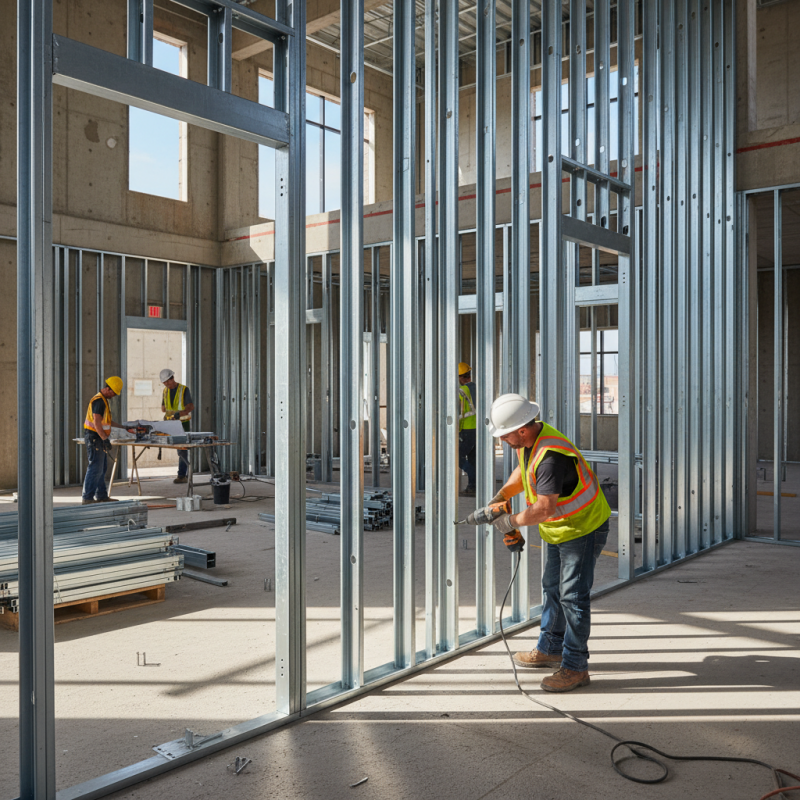
Benefits of Steel Studs in Construction Projects
Steel studs are becoming a popular choice for construction projects. They offer several benefits that enhance overall building quality. One of the main advantages is their strength and durability. Unlike wood, steel does not warp or shrink. This means walls maintain their shape over time. Additionally, steel is non-combustible, improving fire resistance.
Another significant benefit is cost-effectiveness. Steel studs are often lighter, which reduces transportation and labor costs. They are easy to install, allowing for quicker project completion. This speed can lead to significant savings in time and money. However, some may argue that initial material costs are higher. It's important to consider long-term benefits against upfront expenses.
**Tip:** Always assess the weight of materials before starting your project. A lighter frame may lead to fewer foundation issues.
**Tip:** Consider environmental benefits too. Steel is recyclable and reduces waste compared to wooden studs.
Incorporating steel studs could revolutionize your approach to construction. Investing in strong materials now can save money and time later.
Why Choose Steel Studs for Your Next Construction Project? - Benefits of Steel Studs in Construction Projects
| Benefit | Description | Environmental Impact | Cost Efficiency |
| Durability | Steel studs resist warping, cracking, and shrinking. | Made from recyclable materials, reducing landfill waste. | Longer lifespan reduces replacement costs over time. |
| Consistency | Manufactured to strict standards for uniformity. | Environmentally friendly production processes. | Less material waste during construction. |
| Fire Resistance | Steel is non-combustible and provides safety in building. | Reducing harmful smoke and emissions in fires. | Lower insurance premiums due to increased safety. |
| Lightweight | Easy to handle and transport, reducing labor costs. | Less energy needed for transportation and handling. | Efficient use of materials lowers overall costs. |
Comparison of Steel Studs and Traditional Wood Studs
Steel studs and traditional wood studs serve similar purposes in construction, but they each have distinct advantages and drawbacks. Steel studs are more durable and resistant to moisture and pests. Unlike wood, steel does not warp or rot. This makes it a better option in areas prone to humidity or infestations.
On the other hand, wood studs offer ease of handling and installation. Carpenters often find wood easier to cut and drill for plumbing or electrical work. However, this can lead to inconsistencies in quality. Not every piece of wood behaves the same way. This variability can introduce unpredictability into the construction process.
When choosing between steel and wood, consider your project’s specific needs. Steel can be a long-term investment due to its longevity. Yet, wood may still be favored for smaller projects due to its lower initial costs and straightforward installation. Ultimately, the decision should reflect both the practical requirements and the unique challenges of your construction project.
Durability and Longevity of Steel Studs in Various Environments
When considering materials for construction, steel studs often stand out for their durability. In various environments, they demonstrate remarkable resilience. Unlike wood, steel does not warp or twist. This characteristic is crucial in fluctuating climates where moisture can cause severe issues. Steel studs remain strong, providing long-term structural integrity.
Furthermore, steel is resistant to pests and rot. This ensures that buildings maintain their performance over time. However, some might find the initial cost of steel studs higher than traditional materials. It's important to weigh this upfront investment against the longevity they offer. Over time, lower maintenance and replacement costs can make steel studs a more economical choice.
In industrial settings, exposure to elements can take a toll on materials. Steel studs often outperform their counterparts in such scenarios. Yet, the galvanization process must be carefully monitored. If not done right, corrosion could occur despite steel's natural strength. Being aware of these details is essential in selecting the best materials for specific projects.
Cost-Effectiveness of Using Steel Studs in Construction
When considering cost-effectiveness in construction, steel studs stand out as a prime choice. Their durability and strength can lead to significant savings over time. Unlike traditional wood, steel does not warp or rot. This stability ensures fewer repairs and replacements, reducing overall project costs.
Tips: Always assess the weight of steel studs. Their lightweight nature can lower transportation costs and make installation easier. Take the time to compare local prices for materials.
Using steel also results in lower insurance premiums. Steel meets fire safety codes more effectively than wood. This compliance can lead to reduced risk and cost management. However, initial investment in steel may seem higher. Evaluate long-term benefits before making a decision.
Incorporating steel studs requires careful planning. Ensure your design accommodates the specific properties of steel. A well-thought-out approach can minimize waste and maximize value. Some builders underestimate the skill needed for installation, which can lead to mistakes. Training your team is essential for effective use of this material.
Installation Process and Best Practices for Steel Studs
When considering the installation process for steel studs, attention to detail is crucial. Start by ensuring your workspace is clean and organized. This minimizes errors and improves efficiency. Measure your walls accurately; even a slight miscalculation can lead to problems later. Use a level to ensure your steel studs are plumb. This step is vital in supporting drywall or other materials in the future.
During the installation, secure the studs properly. Pre-drilling holes may be useful for easier fastening. A common mistake is to overlook the need for adequate spacing. Typically, studs should be placed 16 or 24 inches apart. This spacing provides essential structural support. Keep in mind that flexibility in the installation process is significant. Adapt your techniques based on wall height and local building codes.
Don't rush to install insulation and drywall. Take time to inspect the framing for any irregularities. This could prevent issues down the line. Reflect on your installation practices after each project. Learning from past experiences helps refine techniques. Emphasizing quality over speed is essential in achieving a successful outcome.
Steel Studs vs. Traditional Wood Studs: Key Advantages
This chart compares the advantages of steel studs to traditional wood studs across various factors like weight, cost, durability, moisture resistance, and installation speed. The scores represent a comparative scale from 1 to 100, showcasing why steel studs may be a better choice for modern construction projects.