How to Choose the Best 10G LR SFP Transceiver?
Choosing the best 10g Lr Sfp is no longer a simple catalog decision. Network teams must match optical performance, distance, equipment compatibility, and long-term reliability. IEEE 802.3ae defines 10GBASE-LR operation over single-mode fiber, typically reaching up to 10 kilometers at 1,310 nanometers. That standard provides a dependable starting point, but real installations are less tidy. Fiber loss, connector quality, temperature, and switch firmware can change the result.
Bandwidth pressure keeps this decision relevant. Cisco’s Annual Internet Report, 2018–2023, projected global IP traffic would reach 396 exabytes per month by 2022. The report also forecasted billions of connected users and devices. These figures explain why operators continue upgrading links between data centers, aggregation switches, and metropolitan access networks. Omdia’s optical networking research likewise identifies capacity expansion and network modernization as sustained market drivers.
Distance changes everything.
A practical evaluation should examine DOM support, transmit and receive power, operating temperature, vendor coding, warranty terms, and compliance with SFF-8472 and SFF-8024. A module may work during a bench test yet fail after installation beside a warm switch in a crowded rack. That possibility deserves attention. In my experience, checking the host platform’s compatibility list before purchasing prevents more trouble than comparing prices alone. Still, no checklist is perfect. This guide explains how to compare specifications, validate supplier claims, and select a 10g Lr Sfp that remains stable under real operating conditions.
What Is a 10G LR SFP Transceiver?
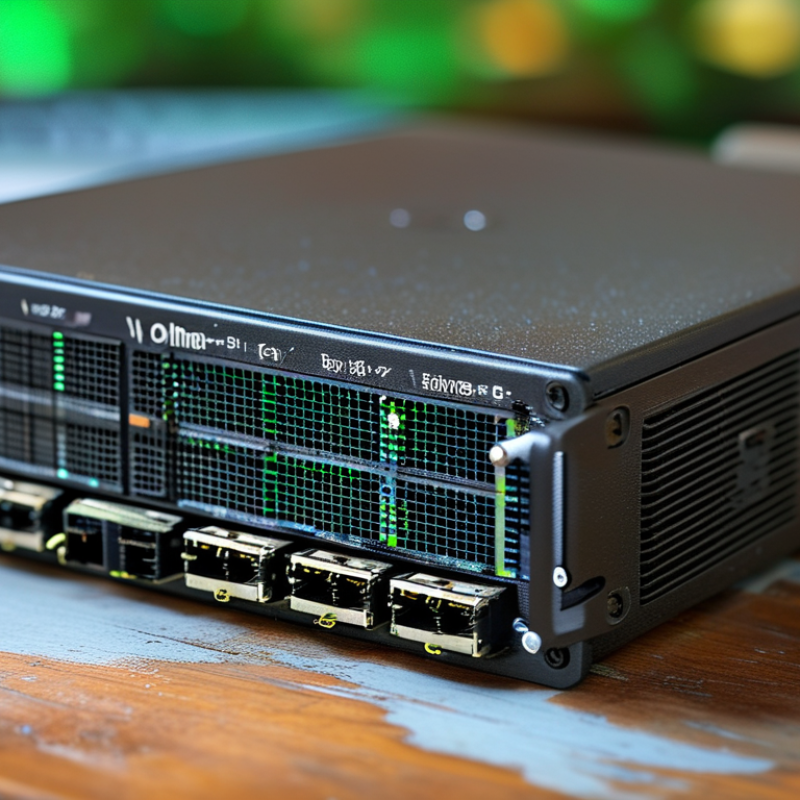
A 10G LR SFP transceiver is a compact optical module for 10-gigabit Ethernet links. Strictly speaking, most 10G LR modules use the SFP+ form factor. The “LR” label means long reach. IEEE 802.3ae defines 10GBASE-LR for 1310 nm transmission over single-mode fiber, typically up to 10 kilometers. Its line rate is 10.3125 Gb/s. Most installations use duplex LC connectors and G.652-compliant fiber. The name can mislead. Ten kilometers is a laboratory-rated distance, not a universal promise. Connector cleanliness, splicing, patch-panel loss, and temperature can reduce the practical margin.
LightCounting’s 2024 Optical Transceiver Market Report valued the global optical transceiver market above US$10 billion, reflecting sustained demand for pluggable network optics. That market scale does not make every module suitable. Choose one with verified host compatibility, digital optical monitoring, and a documented operating temperature range. DOM readings can reveal laser bias, temperature, voltage, and received power during commissioning. Check the receiver sensitivity and maximum transmitter output, not only the advertised distance. A field technician should also test the completed link with an optical power meter. I would avoid relying on a specification sheet alone. Some low-cost modules perform well initially, but their alarms or coding may behave poorly after replacement. IEEE compliance, traceable test records, and clear warranty terms matter more than impressive packaging.
How to Match Wavelength, Fiber Type, and Transmission Distance
How to Choose the Best 10G LR SFP Transceiver?
A 10G LR transceiver normally uses 1310 nm optics over duplex single-mode fiber. Match both ends carefully. A wavelength mismatch can create a dark link, even when the connectors fit. IEEE 802.3ae defines 10GBASE-LR for distances up to 10 kilometers on single-mode fiber. That number is a ceiling, not a promise. For new installations, OS2 fiber is usually the safer choice than older single-mode cable. The ITU Facts and Figures 2023 report counted 5.4 billion Internet users, increasing pressure on reliable backbone links. Small optical errors now deserve attention.
Check the actual route length, not only the building address. Include slack loops, patch panels, and cross-connects. A 9.6-kilometer path may exceed the optical budget after connector and splice losses. As a rough field calculation, 10 kilometers of fiber at about 0.4 dB per kilometer creates nearly 4 dB of attenuation, before hardware losses. Compare this value with the transceiver’s stated transmit power, receiver sensitivity, and maximum budget. Clean the LC connectors. Inspect them, too. A dusty end-face can cause unstable readings and false distance problems. A common shortcut is choosing LR because the link “looks long.” I have found that route records are often incomplete. Verify them with an optical power meter or OTDR when possible. Do not ignore temperature ratings, either; a cabinet near a roof can behave differently from a controlled server room.
How to Check Compatibility with Network Equipment
How to Choose the Best 10G LR SFP Transceiver?
Compatibility starts with the network equipment, not the transceiver label. Confirm that the switch, router, or server supports 10G SFP+ modules. Check its hardware guide and approved module list. Some devices accept only specific coding or firmware versions. A physically identical module may still remain inactive.
Match the optical specifications carefully. A standard 10G LR module usually uses 1310 nm light, duplex single-mode fiber, and an LC connector. Its typical reach is up to 10 kilometers, but fiber quality, splicing, and connector cleanliness affect performance. Verify transmission distance, operating temperature, power limits, and digital optical monitoring support. Also check port configuration, firmware requirements, and whether the equipment requires manual settings. In field testing, most failed links came from small mismatches, not defective optics. I once overlooked fiber polarity. That was frustrating.
Tips: Compare the module’s wavelength, fiber type, connector, reach, and temperature range with the equipment manual. Inspect both LC ends before installation. Use a compatible fiber tester when possible. Check TX and RX paths if the link stays down. Record serial details and optical readings for later troubleshooting. Do not rely on “10G LR” alone; manufacturers may interpret compatibility rules differently. A checklist helps, but it is not perfect. Test one link under real traffic before wider deployment.
How to Compare Optical Performance and Operating Conditions
How to Choose the Best 10G LR SFP Transceiver?
Choosing a 10G LR SFP transceiver requires more than checking its advertised distance. Compare transmitter power, receiver sensitivity, wavelength, and optical budget. Most 10G LR applications use 1310 nm single-mode fiber for links up to 10 kilometers. However, real distance depends on connectors, splices, patch panels, and fiber quality. A module with stronger output is not automatically better. Excessive power can overload a sensitive receiver on short links.
Operating conditions deserve equal attention. Check the module’s temperature range before installing it in a crowded rack or outdoor cabinet. Heat increases optical drift and may reduce service stability. Confirm power consumption, digital monitoring support, connector type, and host compatibility. During field checks, I also inspect DOM readings for temperature, voltage, bias current, and received power. Small changes can reveal dirty connectors or aging fiber. Sometimes the problem is not the transceiver.
Tips: Keep an optical power meter available during commissioning. Clean both connectors before testing. Compare the measured loss with the link budget, not only the product sheet. Leave safety margin for future repairs and temperature changes. I once trusted a distance rating without checking patch-panel loss; the link worked, but the margin was uncomfortably small. That mistake remains worth remembering. Reliable selection combines published specifications, measured site conditions, and a realistic view of maintenance needs.