Top CNC Lathe Trends and Innovations to Watch in 2026?
The CNC lathe industry is experiencing transformative changes. According to a recent report by MarketsandMarkets, the global CNC lathe market is projected to reach USD 3.5 billion by 2026. This growth is driven by advancements in automation and precision engineering. Innovations in CNC lathe technology are paving the way for increased efficiency and accuracy in manufacturing processes.
Key trends include the integration of artificial intelligence and IoT capabilities into CNC lathes. These technologies enable real-time data analysis, improving decision-making and maintenance schedules. A study by Grand View Research highlights that the shift towards smart manufacturing is rapidly reshaping how CNC lathes operate. However, the adoption of these innovations poses challenges. Companies must invest in training and adapt their workflows to incorporate new technologies.
As we look towards 2026, it’s essential to remain vigilant about these developments. Many manufacturers are still hesitant to fully embrace these changes. Evaluating the implications of these trends will be crucial for businesses aiming to remain competitive. The journey of CNC lathe innovation is as much about overcoming obstacles as it is about technological advancements.
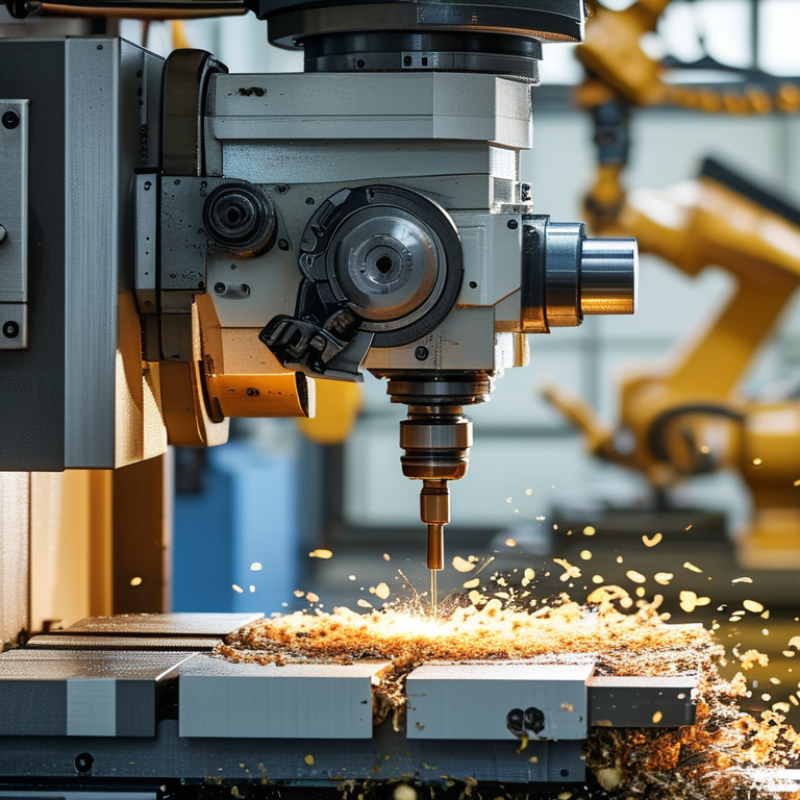
Emerging Technologies in CNC Lathe Design for 2026
In 2026, the landscape of CNC lathe design will be dramatically transformed by several key technologies. One emerging trend is the integration of artificial intelligence (AI) with CNC lathes. According to a recent report by MarketsandMarkets, the global AI in manufacturing market is expected to reach $16.7 billion by 2026. AI can optimize machining processes in real-time, enhancing efficiency and reducing waste.
Furthermore, 3D printing and additive manufacturing technologies are poised to revolutionize CNC lathe operations. These techniques allow for complex geometries and custom components that were previously impossible to achieve. A study by Wohlers Associates estimates that the 3D printing market will grow to $21 billion by 2026, offering significant opportunities for manufacturers to innovate.
However, challenges remain. The high initial investment costs for advanced CNC systems may hinder small enterprises from making the transition. Additionally, the reliance on advanced technology demands skilled operators. Training and adapting to these innovations will be crucial for success. As lathes evolve, manufacturers must strike a balance between cutting-edge technology and practical application.
Advancements in Automation and Robotics for CNC Lathes
The landscape of CNC lathes is transforming rapidly, particularly with advancements in automation and robotics. In 2026, it's anticipated that these technologies will significantly enhance production efficiency. For instance, robotic arms could take over repetitive tasks. This shift allows operators to focus on complex programming and oversight. The interaction between robotics and CNC systems is becoming seamless.
However, these innovations come with challenges. Integrating advanced robots into existing workflows is not straightforward. Many manufacturers may face compatibility issues. Training employees to work effectively with new robotic systems also requires time and resources. This process can be daunting, yet the potential gains are substantial. As automation grows, so does the need for skilled technicians. Companies must adapt to ensure they are not left behind.
Moreover, the increasing reliance on automation raises questions about job security and workforce dynamics. The industry must find a balance between efficiency and human employment. Encouraging skill development is crucial in this evolving environment. As CNC technology advances, reflection on these overarching issues will be essential for sustainable progress.
Impact of Artificial Intelligence on CNC Lathe Operations
Artificial intelligence is reshaping CNC lathe operations in profound ways. As we approach 2026, the integration of AI technologies is enhancing efficiency. This transformation involves real-time monitoring of machining processes. AI systems analyze data, identifying patterns that human operators may overlook. This capability can result in improved accuracy and reduced waste. Operators can also benefit from predictive maintenance, which minimizes downtime.
A challenge exists in ensuring the reliability of AI systems. They require vast amounts of data for effective functioning. In environments with limited data, performance may falter. Additionally, there can be a steep learning curve for operators. Embracing AI in lathe operations demands skill and adaptability. It is crucial for teams to invest time in training. With proper education, these innovations can lead to streamlined workflows.
Moreover, considerations around security and ethics emerge with AI adoption. Protecting sensitive data and maintaining transparency in AI decisions are essential. Manufacturers need strategies to address potential risks. Establishing a framework for ethical AI use can promote trust within the industry. As lathe operations evolve, the balance between AI benefits and its challenges will be a key factor in success.
Sustainable Practices and Eco-Friendly Innovations in CNC Machining
Sustainable practices in CNC machining are gaining momentum. The industry is shifting towards eco-friendly innovations. Companies now focus on reducing waste and energy consumption. These changes are essential for meeting global environmental standards. Embracing sustainability is not just a trend; it's a necessity.
In 2026, expect to see more companies using biodegradable cutting fluids. These fluids enhance machining efficiency while minimizing ecological impact. Also, recycling metal scraps is becoming common practice. It reduces the demand for new materials and lowers overall production costs.
Tip: Integrate energy-efficient machinery into operations. This reduces consumption and costs. Another tip is to educate teams on sustainable practices. Continuous training can foster a culture of responsibility. However, some organizations struggle with these transitions. They may lack resources or face resistance to change. It’s important to reflect on these challenges and find effective solutions.
Top CNC Lathe Trends and Innovations to Watch in 2026
This chart illustrates the projected impact of various CNC lathe trends and innovations expected to be prominent by 2026. The focus on sustainable practices and eco-friendly innovations is becoming increasingly significant in the machining industry.
Future Trends in CNC Lathe Materials and Manufacturing Processes
The future of CNC lathe manufacturing is poised for innovation. New materials will play a crucial role in enhancing performance and durability. Advanced composites and lightweight alloys promise improved efficiency and reduced wear. Machinists will find these materials easier to handle, leading to better precision in their work.
Manufacturing processes are evolving, too. Automation and artificial intelligence are reshaping traditional techniques. These technologies streamline workflows and minimize human error, but they also raise questions about workforce roles. Skilled operators may need to pivot their expertise towards managing automated systems.
While these advancements hold great promise, challenges are present. The cost of new materials can be prohibitive for small manufacturers. Adaptation to new processes requires time and investment. Each innovation must be assessed for its practical application in real-world scenarios. This constant evolution asks for a balance between cutting-edge technology and practical implementation in the shop floor.