What is a Plastic Injection Molding Machine and How Does It Work?
The plastic injection molding machine is a vital piece of equipment in manufacturing. It transforms plastic pellets into intricate parts. This process is widely used in various industries, from automotive to consumer electronics. Understanding how this machine operates can enhance efficiency and product quality.
In essence, the plastic injection molding machine works by melting plastic and injecting it into a mold. The precision involved is remarkable. Temperature and pressure play crucial roles in the shaping process. Yet, even experienced operators can face challenges with settings and material variations. It’s essential to adapt and learn from these experiences.
Manufacturers rely heavily on the reliability of these machines. A malfunction can lead to production delays and increased costs. Therefore, regular maintenance is necessary. Learning the nuances of operating a plastic injection molding machine requires practice and expertise. This ongoing journey of improvement shows the depth of engineering involved in this technology.
Overview of Plastic Injection Molding Machines
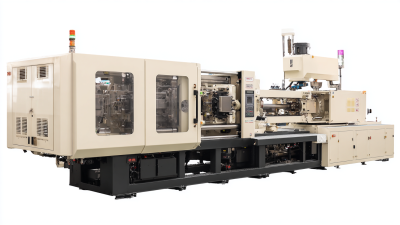
Plastic injection molding machines play a crucial role in the manufacturing industry. They are designed to create plastic parts by injecting molten plastic into a mold. This process is highly efficient, producing complex shapes with precision. According to the Markets and Markets report, the global plastic injection molding market is expected to reach USD 455 billion by 2026, indicating significant growth.
These machines vary in size and complexity. They can range from small, specialized units to large industrial systems. The pressure and temperature settings are essential for creating quality products. However, improper settings can lead to defects, such as short shots or warping. Operators must have a strong understanding of machine parameters to mitigate these issues. In fact, nearly 25% of defects in molded parts are attributed to operator error, highlighting the need for skilled technicians in this field.
Moreover, innovations in technology are continually shaping the industry. For instance, advancements in automation and digital monitoring systems improve efficiency and reduce waste. Yet, the reliance on technology poses its risks. Any software glitches can halt production unexpectedly. This emphasizes the importance of regular maintenance and a skilled workforce to ensure smooth operation. The balance between technology and human expertise is vital for success in plastic injection molding.
Key Components of Plastic Injection Molding Machines
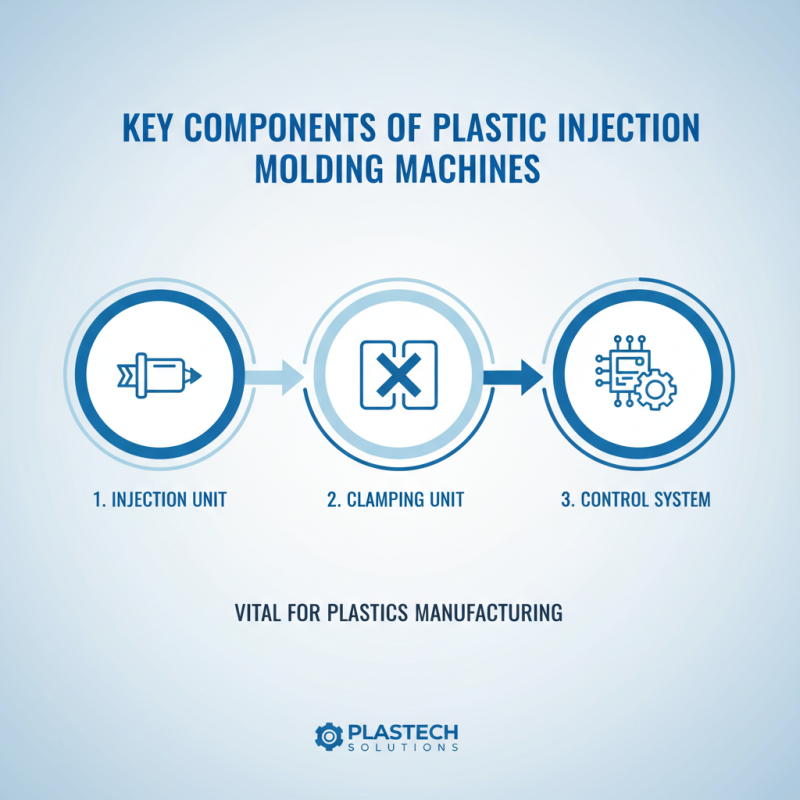
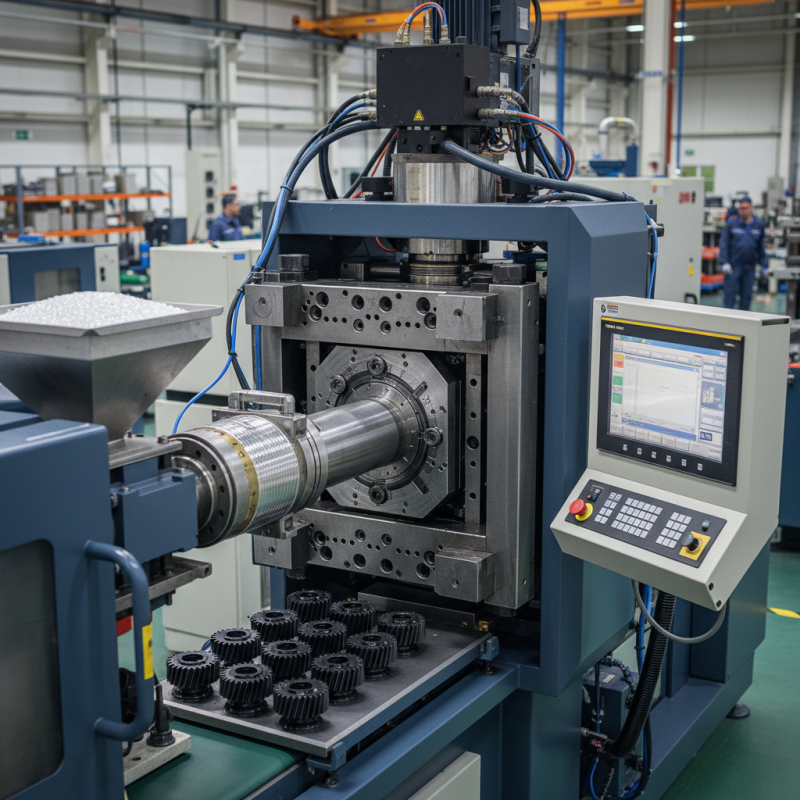
Plastic injection molding machines are vital for the manufacturing of plastic parts. Understanding their key components helps in grasping their operational efficiency. These machines primarily consist of three main elements: the injection unit, the clamping unit, and the control system.
The injection unit is responsible for melting and injecting plastic into molds. It uses a screw or plunger mechanism. This component impacts cycle times and production efficiency. According to industry reports, advanced injection units improve melt quality, reducing defects by up to 25%. Precise injection technology is crucial for maintaining the dimensions of final products.
The clamping unit secures the mold during injection. It ensures that the mold remains tightly closed under high pressure, which can reach up to 20,000 PSI in some applications. A clamping unit’s performance can vary based on its design and materials. Issues such as uneven pressure distribution can lead to weaknesses in the final product.
The control system monitors all processes. It adjusts parameters in real-time for optimal operations. A robust control system can enhance energy efficiency by 30%, leading to substantial cost savings. However, integrating new technologies into these systems can pose challenges. Keeping pace with rapid technological advancements requires continuous training and updates.
The Injection Molding Process Explained Step by Step
The injection molding process is a vital technique in manufacturing plastic products. It involves several key steps that transform raw plastic into finished items. First, plastic pellets are fed into a hopper, where they are heated until they melt. The temperature must be precise. Too hot or too cold can affect quality.
Once the plastic is molten, it's pushed into a mold. The mold is shaped to form the desired product. This stage requires careful measurements. A slight miscalculation can lead to defects or waste. After the plastic cools and hardens, the mold opens, and the product is ejected. However, challenges may arise in achieving a perfect finish.
The final inspection is crucial. Identifying flaws is important to maintain quality standards. Relying purely on the machine's output can become problematic. Regular checks and adjustments often improve final results. Each of these stages illustrates the balance between precision and potential error in the injection molding process.
Applications and Industries Utilizing Injection Molding
Plastic injection molding is pivotal in various industries. It serves sectors such as automotive, consumer goods, and healthcare.
These industries rely on this technology for producing high-volume, precision plastic parts.
In the automotive industry, injection molding is used to create components like dashboards, door panels, and bumpers. This method allows for complex designs and efficient production.
In consumer goods, companies utilize injection molding for items like kitchen utensils and toys. These products benefit from the cost-effectiveness and durability of molded plastics.
The healthcare sector also employs injection molding. Medical devices and equipment often require specific shapes and sizes. Here, precision is crucial, as even minor defects can lead to significant issues. However, it’s important to remember that not all designs work seamlessly. The choice of materials and process parameters can greatly affect the final product's quality. Each industry’s unique demands highlight the need for ongoing evaluation and refinement of the molding process.
Advantages and Disadvantages of Plastic Injection Molding Machines
Plastic injection molding machines have become essential in manufacturing. This process presents both advantages and disadvantages. Understanding these factors can aid companies in making informed decisions.
One major advantage is efficiency. Reports indicate that injection molding can produce thousands of identical parts in a short time. According to an industry study, this process can reduce production costs by up to 30% compared to other methods. This efficiency makes it ideal for high-volume production scenarios. Additionally, complex designs and intricate shapes are achievable. Such versatility opens doors for innovation in product design.
On the flip side, injection molding has drawbacks. The initial setup and tooling costs can be high, making it less favorable for small production runs. A significant investment in machinery and molds is often required. This can lead to a longer return on investment period. Furthermore, the materials used can pose environmental concerns. The reliance on plastics creates questions about sustainability. Companies may need to reflect on their practices to align with eco-friendly initiatives. Balancing cost-effectiveness and responsible manufacturing remains a challenge for many in the industry.