
Contract Manufacturing for Injection Molded Plastic Products in North America
(800) 824.0607

RFQ / CONTACT
Contract Manufacturing for Injection Molded Plastic Products in North America | (800) 824.0607

7 Tips for Sourcing Unique Windows for Global Projects

Windows are more than openings in a wall. They shape daylight, comfort, energy use, and a building’s identity. For global projects, sourcing distinctive units can also mean navigating different climates, supply chains, performance standards, and installation conditions. A striking custom frame is not a success if replacement parts are unavailable or the glazing cannot meet the project’s needs.

The stakes are measurable. The International Energy Agency’s Buildings report notes that buildings account for about 30% of global final energy consumption. The United Nations Environment Programme’s 2023 Global Status Report for Buildings and Construction estimates that buildings and construction contribute roughly 37% of energy- and process-related carbon dioxide emissions worldwide. These figures cover far more than windows, but they underline why envelope choices deserve careful attention. In the United States, the Department of Energy says heat gain and loss through windows account for about 25–30% of residential heating and cooling energy use. That estimate is specific to U.S. homes, not a universal rule. Still, it is a useful prompt to examine glazing, frame design, shading, and installation together.

Good sourcing starts with evidence, not a beautiful catalog image. Ask suppliers for verified performance data, material details, lead times, quality controls, and clear documentation for the intended market. Then check whether the product can be transported, installed, serviced, and replaced over its full life. Some choices will involve trade-offs. That is worth admitting. The following seven tips show how project teams can source Unique Windows with greater confidence, while balancing design ambition with practical performance.
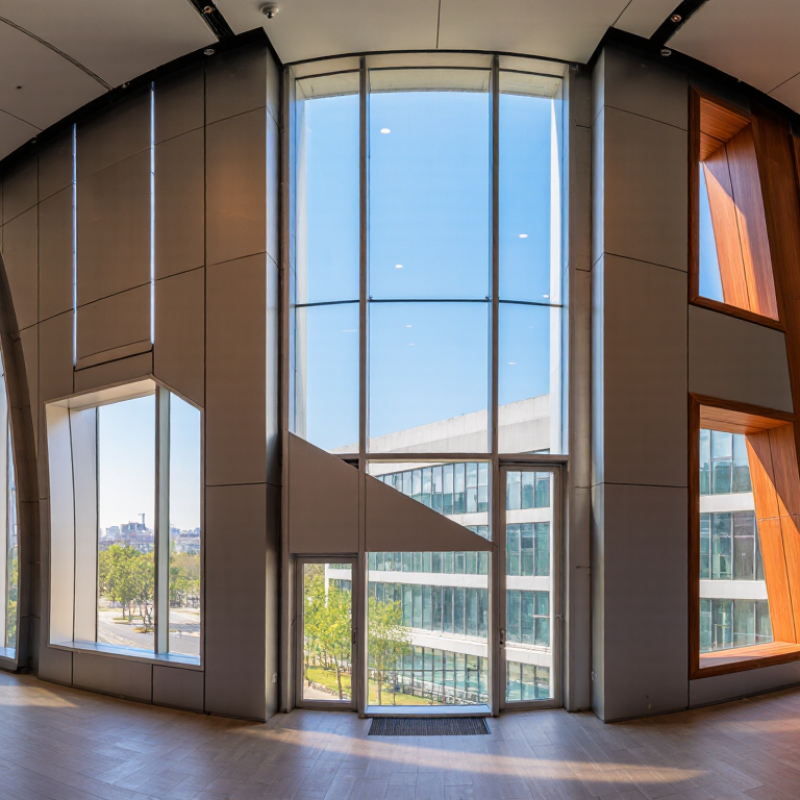
7 Tips for Sourcing Unique Windows for Global Projects

Defining Design, Performance, and Quantity Requirements

Before requesting quotes, turn the design brief into measurable details. Record the opening dimensions, frame depth, preferred material, finish, and sightline width. Add a marked-up elevation or a clear photograph with measurements. “Unique” can mean a curved head, a narrow profile, or a specific color; it should not remain a vague label.

Performance needs equal precision. Note the project’s climate, exposure to wind-driven rain, desired thermal performance, sound concerns, and expected operation. Ask suppliers to state the test methods and ratings behind their claims, then compare like with like. A window suitable for a sheltered courtyard may not work on an exposed upper floor. Small differences matter.

Quantities also need careful checking. Separate standard units from custom shapes, and list each size, handing, finish, and room location. Include a modest allowance for breakage or later replacements, but confirm it against the project’s budget and storage space. Too many extras tie up funds; too few can delay installation. I have seen schedules change after site measurements, so treat early counts as provisional. Confirm final dimensions after the openings are verified, and make sure the schedule matches the drawings before production begins. A simple spreadsheet helps. Keep one revision date.

7 Tips for Sourcing Unique Windows for Global Projects - Defining Design, Performance, and Quantity Requirements
Tip Requirement to Define Illustrative Specification What to Verify with Suppliers
1. Document the design intent Window type, opening style, shape, sightlines, and finish Arched fixed window with a dark bronze exterior finish and a matching operable casement beside it Request dimensioned drawings, finish samples, hardware details, and confirmation that the proposed configuration is manufacturable.
2. Confirm opening sizes and tolerances Rough-opening dimensions, frame dimensions, and installation clearance Record each opening by width and height in millimetres; identify whether dimensions refer to the frame or the building opening. Agree on measurement responsibility, allowable manufacturing tolerances, and the final site-measurement approval process before production.
3. Set climate-appropriate performance targets Thermal transmittance, solar heat gain, air leakage, and water resistance Specify target values by project location and applicable code; distinguish whole-window U-factor from centre-of-glass values. Ask for test reports for the proposed window configuration, including frame, glazing, size, and operating type—not just a similar product.
4. Define glazing and safety needs Glass build-up, coatings, safety glazing, and acoustic goals For a noise-exposed room, set an acoustic target and evaluate a laminated insulating glass unit; use safety glazing where required by local rules. Check glass thickness, coatings, spacer, gas fill if specified, safety classification, and the availability of supporting test documentation.
5. Check local codes and approvals Structural loads, fire or egress provisions, energy rules, and product certification List the governing jurisdiction and applicable standards for every project location before requesting final quotations. Confirm that documentation and product evaluations are accepted by the local authority; requirements differ across countries and regions.
6. Plan quantity, packaging, and logistics Unit counts, size schedule, shipment grouping, protection, and delivery sequence Provide a window schedule by type, size, floor, and destination; separate prototype, initial, and balance quantities if applicable. Request crate dimensions and weights, packing method, lead-time assumptions, shipment terms, and a process for reporting transit damage.
7. Validate samples and production controls Prototype approval, quality checks, traceability, and replacement planning Approve a representative sample or mock-up before authorizing the full production run, especially for unusual shapes or finishes. Agree on inspection checkpoints, approved drawings, labelling, defect criteria, spare-parts availability, and procedures for corrective action.
Planning note: The specifications above are illustrative starting points, not universal performance values. Confirm final targets with the project design team and applicable local codes before procurement.

Identifying Regional Window Styles and Material Options

Regional window styles reflect climate, craft traditions, and how people use a room. In hot, dry regions, deep reveals and exterior shutters can limit direct sun; in humid coastal areas, corrosion-resistant hardware matters. Cold-climate projects may need insulated frames and carefully specified glazing. These are starting points, not rules. Local builders often know which details survive real weather.

Material choices deserve equal scrutiny. Wood offers warmth and can suit historic façades, but exposed finishes need maintenance. Aluminum frames are slim and strong, though thermal breaks are important in colder settings. Fiberglass can resist dimensional change, but availability and repair options vary by market. The U.S. Department of Energy’s Energy Saver guidance estimates that heat gain and loss through windows account for about 25–30% of residential heating and cooling energy use in the United States. That figure is not universal, yet it shows why frame, glass, shading, and installation should be considered together. Ask local suppliers for performance data tested to recognized standards, plus samples of finishes and hardware. A sample helps. Check it in daylight, beside the project’s actual wall materials. I have seen teams choose a beautiful profile before checking replacement availability; that small oversight can complicate future repairs.

Finding Specialized Suppliers Across Global Markets

Finding specialized window suppliers across global markets takes more than searching by product name. Define the project’s needs before contacting vendors: frame material, opening style, glazing, dimensions, finish, and expected order volume. A supplier skilled in custom curved frames may not be suited to a large run of standard units. Ask for technical drawings and a sample showing corner joints, seals, and surface finish. Small details matter.

Check how each supplier documents quality and handles revisions. Request references for projects with similar climates, building types, and installation conditions. Ask how they measure tolerance, protect glass during shipping, and report production delays. Clear answers are useful. Vague promises are not. Time zones can slow discussions, so send one concise specification sheet and keep decisions in writing. Video calls help, but a sample in your hands tells a different story.

Compare more than the quoted unit price. Include packaging, freight, replacement parts, and the cost of correcting mismatched dimensions. Confirm that product documents meet the project’s local requirements with qualified professionals. Do not assume one supplier’s standard specification will fit every market.

I have seen sourcing plans look solid on paper, then stumble over a finish sample that changed under different lighting. Leave room for review. Even a careful process can miss something.

Checking Certifications, Quality, and Production Capacity

For global projects, a window that looks right on a sample may not suit the destination’s climate or building requirements. Ask suppliers for current certificates and test reports, then check the issuing body, expiry date, and product scope. A report for one frame size or glass combination may not cover your selected configuration. Confirm requirements with the project’s local technical team; assumptions made across borders can be costly.

Quality shows in repeatable details. Request drawings, material specifications, and inspection records for frame dimensions, seals, hardware, and glass. If possible, inspect a production sample and compare it with the approved drawings. Ask how defects are logged and corrected. A neat sample is encouraging, but it cannot prove every production batch will match.

Capacity matters just as much. Ask for a realistic monthly output, current order backlog, staffing levels, and lead times for tooling and shipping. For a large order, discuss staged production and inspection points before the schedule is fixed. Get the answers in writing. I’ve seen planning hinge on an optimistic lead time; it looked workable until one component arrived late. No supplier can eliminate every delay, but clear evidence and candid conversations make surprises easier to manage.

Planning Samples, Shipping, Customs, and Installation

Tip: Request samples early, and assess more than color. Check frame depth, finish, hardware movement, and glazing under the project’s actual lighting. A small sample may not reveal how a large window looks from across a room. Keep one approved sample on site for comparison. It helps, though it is not perfect.

Tip: Plan shipping around dimensions and protection, not just the quoted transit time. Confirm crate measurements, handling instructions, delivery access, and who inspects the shipment on arrival. Photograph packaging before opening, then record any visible damage promptly. Build in extra time; port delays can happen, even with careful planning. A tight schedule is risky.

Customs paperwork deserves attention before the windows leave the supplier. Ask a qualified customs broker to confirm required product descriptions, origin details, and supporting documents for the destination. Requirements can differ by country and may change. Do not rely on an old project’s paperwork without checking. Keep copies accessible to the site team.

Tip: Coordinate installation details while samples and shipping are being arranged. Share verified opening measurements, fixing points, weight, and installation guidance with the contractor. Confirm who supplies sealants and lifting equipment. On delivery day, check that openings remain protected and dry. Small measurement errors matter. If something feels unclear, pause and resolve it before fitting. A rushed installation can compromise the fit, even when the windows arrived intact.

Planning a Global Window Sourcing Timeline

Indicative weeks for key project stages. Actual timing varies by supplier, destination, shipping route, customs requirements, and site conditions.

Use these estimates as early planning allowances: request samples promptly, confirm production and shipping schedules, prepare customs documents before dispatch, and coordinate installation with site readiness.