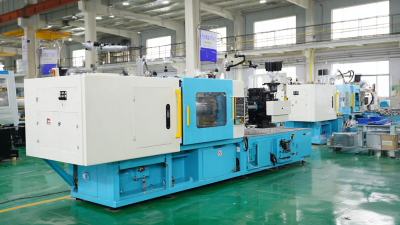
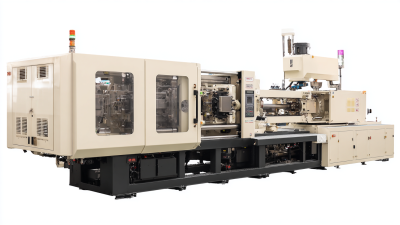
Top Plastic Injection Molding Machine Manufacturers?
Choosing among top plastic injection molding machine manufacturers requires more than comparing catalog prices. Buyers must examine machine stability, energy use, injection accuracy, and after-sales support. A reliable manufacturer should explain these details clearly, using practical data rather than impressive slogans.
This guide explores leading manufacturers through an experience-based and technical lens. It considers hydraulic, electric, and hybrid platforms, including their clamping systems, control interfaces, servo performance, and maintenance requirements. Real production conditions matter. A machine producing thin medical parts faces different demands from one molding thick automotive housings. Cycle time, material behavior, mold design, and factory power quality can change the final decision.
Look beyond the showroom.
Strong suppliers usually provide documented testing, operator training, spare-parts access, and responsive service. Certifications can support credibility, but they should not replace factory visits, customer references, or trial molding. A machine may appear efficient during a demonstration yet perform differently under continuous production. That possibility deserves attention. Even experienced buyers can overlook installation costs, software limitations, or regional service gaps.
The comparison also recognizes an uncomfortable truth: no manufacturer is perfect for every application. Some brands offer advanced automation but require higher technical expertise. Others provide simpler systems that are easier to maintain. Performance depends on the entire production process, not the machine alone. By examining measurable evidence and practical trade-offs, this overview helps manufacturers, engineers, and purchasing teams make a more dependable shortlist.
What Is a Plastic Injection Molding Machine?
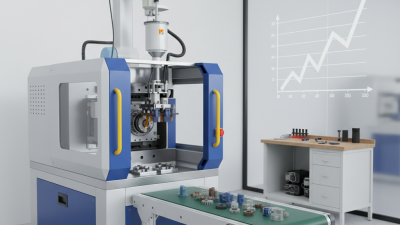
A plastic injection molding machine is an industrial system that turns heated polymer pellets into shaped parts. It works like a controlled syringe, but at much higher pressure.
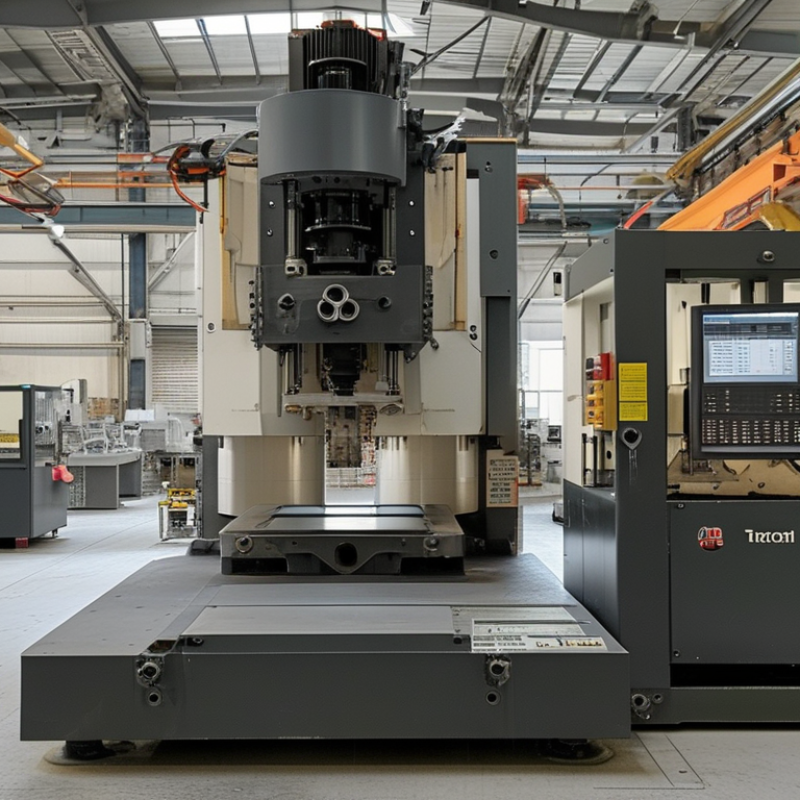
Pellets enter a hopper and move through a heated barrel. A rotating screw melts, mixes, and pushes the material forward. The machine then injects the melt into a metal mold. Cooling follows. The mold opens, and ejector pins release the finished part.
Its main sections include the injection unit, clamping unit, mold, controls, and hydraulic or electric drive. The clamping unit must hold the mold closed against injection pressure. If it does not, thin flash may appear along the parting line.
Operators monitor temperature, screw position, pressure, speed, and cooling time. These details affect strength, surface finish, weight, and cycle time. A small temperature error can create dark streaks or incomplete filling.
Choosing a machine requires more than comparing tonnage. Engineers match shot size, mold dimensions, material behavior, and expected production volume. Safety guards, interlocks, emergency stops, and documented maintenance are essential.
I have seen teams focus on speed and overlook cooling performance. That mistake can increase scrap and energy use. Machine data helps, but practical trials still matter. Real molds behave differently from spreadsheets.
Leading Global Plastic Injection Molding Machine Manufacturers
Leading Global Plastic Injection Molding Machine Manufacturers
Leading global plastic injection molding machine manufacturers are competing through efficiency, precision, and responsive service. Mordor Intelligence estimates the injection molding machine market may grow from about USD 10.5 billion in 2024 to USD 13.6 billion by 2029. Growth is supported by packaging, medical components, automotive parts, and consumer products.
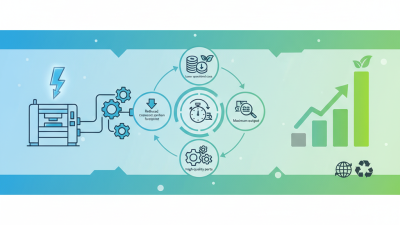
Manufacturers now offer electric, hydraulic, and hybrid platforms. Electric systems can reduce energy use during repeated cycles, especially in high-volume production. However, savings depend on mold design, material drying, and factory operating habits. Reports are not perfectly aligned. That uncertainty matters. Buyers should examine measured energy data, not only catalogue claims. A dependable supplier should also provide machine validation, operator training, spare-parts planning, and regional technical support. These details often influence uptime more than maximum injection speed.
Tips: Compare machines using your actual resin, mold, shot weight, and cycle target. Check clamp-force accuracy and repeatability under continuous production. Ask for energy readings from a similar application. Review service response times, warranty limits, and software update procedures. A factory visit can reveal noise, oil leakage, poor housekeeping, or unstable cycle performance. These observations are practical evidence.####
Types of Machines and Technologies Offered by Manufacturers
Top Plastic Injection Molding Machine Manufacturers?
Manufacturers typically offer hydraulic, all-electric, hybrid, and two-platen injection molding machines. Hydraulic systems suit large molds and demanding clamping forces. All-electric machines provide accurate servo control and cleaner operation. Hybrid models balance investment cost with energy efficiency. Two-platen designs save floor space for high-tonnage production.
Machine technology matters more than the label. Modern systems may include real-time pressure monitoring, automatic mold protection, robotic part removal, and multi-material injection. Micro-molding platforms support medical and electronic components with very small shot sizes. Foaming, in-mold labeling, and recycled-material processing require specialized screw designs and stable temperature control. PlasticsEurope reported 413.8 million tonnes of plastics production worldwide in 2023. That volume increases pressure to reduce scrap and energy use. The U.S. Department of Energy also notes that motor-driven systems can consume over half of industrial electricity in many facilities. Electric drives can help, but actual savings depend on cycle settings and maintenance.
Tips: Compare energy per finished part, not only motor horsepower. Request mold-trial data, repeatability results, and service response times. Check whether the controller records pressure, temperature, and cycle alarms. I have seen machines perform well during demonstrations, then struggle with a real mold. Specifications can look perfect. Factory-floor evidence is less forgiving. Also inspect training quality, spare-part availability, and software compatibility before purchasing. A cheaper machine may become expensive when setup knowledge is missing.
Top Plastic Injection Molding Machine Manufacturers: Machine Types and Technologies
This chart compares broad, commonly available clamping-force ranges for major plastic injection molding machine configurations. Actual specifications vary by application, machine series, mold size, and manufacturer. Hydraulic, electric, hybrid, and two-platen technologies are used across automotive, packaging, medical, consumer, and industrial molding.
Key Factors for Choosing the Right Manufacturer
Choosing a top plastic injection molding machine manufacturer starts with measurable performance, not advertising language. MarketsandMarkets estimates the global injection molding machine market could grow from about USD 15.5 billion in 2023 to USD 22.5 billion by 2028. That expansion creates more choices, but not every supplier offers equal engineering depth. Ask for documented cycle times, shot-weight stability, clamp-force accuracy, and failure rates from comparable molds. Test it live.
PlasticsEurope’s 2024 industry report recorded 54.6 million tonnes of plastics production in Europe during 2023, an 8.3% decline from the previous year. This pressure makes energy efficiency and uptime practical buying criteria. Request measured energy use per kilogram, not a laboratory estimate. Compare servo-hydraulic and all-electric systems under the same material, mold, and cycle conditions. A polished brochure is not evidence. Require a factory acceptance test with your actual resin and process settings.
Service capability deserves equal attention. Check local technicians, spare-parts lead times, remote diagnostics, training, and software update policies. ISO 9001 certification supports process control, but it does not prove good machine design or fast support. Ask for three customer references with similar production volumes. I would score each manufacturer across technical fit, five-year operating cost, validation support, and response time. That scoring method is useful, though imperfect. Human judgment still matters when a supplier cannot explain its assumptions.